

Saliva plays a vital role in maintaining the soft and hard tissues in your mouth and balancing the pH levels. According to the American Dental Association, adequate saliva flow in the mouth helps prevent tooth decay and other oral infections. But wait, what is pH? pH basically refers to the ratio of chemical acidity levels vs alkaline levels in your mouth. What you consume can therefore affect the pH levels of your mouth, as an increase in acids can lead to various dental and oral health issues.
What Is a Healthy pH for Your Mouth?
The pH scale ranges from 0 to 14: 7 is neutral, values below 7 are acidic, and those above 7 are alkaline. A properly pH-balanced saliva will protect the microbiome of your mouth.
● According to clinical research titled “Salivary pH: A diagnostic biomarker,” the normal salivary pH is roughly 6.2–7.6, with many healthy adults averaging around 6.7.
● In disease-free mouths, some studies find saliva pH lying between 6.8 and 7.4.
● A systematic review on dental erosion underlines how saliva protects against acid damage by neutralizing acids and supplying minerals for remineralization.
If your saliva pH drops too low, your mouth enters the danger zone, indicating excessive acidity. When it drops below roughly 5.5, enamel starts to demineralize, which is why experts refer to this point as the “critical pH”.
Why Does the pH Range Matter?
1. Demineralization vs. Remineralization
Your enamel is constantly undergoing a push-and-pull process: demineralization (minerals dissolved) vs. remineralization (minerals are redeposited). Let me explain: if you consume beverages with high acidic components, the bacteria in your mouth will break down the carbohydrates, releasing various acids that can lower the pH of your saliva. When the pH levels drop below 5.5, the chemical environment of your mouth will lead to the demineralization of your enamel, weakening it. When you stay above that danger line, saliva’s buffering ability and the minerals it carries (calcium, phosphate) help restore your enamel. Therefore, it is crucial to maintain the pH of your saliva.
2. Buffering Power of Saliva
Saliva is biologically active. It neutralizes acids introduced by foods and drinks as it contains bicarbonate, phosphate, and proteins. When you eat or drink something acidic, saliva works to raise the pH back toward neutrality.
3. Defense Against Erosion
A recent study titled “Saliva and dental erosion” found that low salivary flow plus acid exposure severely increases the risk of dental erosion. Calcium and phosphate in the saliva help maintain the integrity of the tooth’s mineral structure.
What are the major causes of pH imbalance in your mouth?
● Acidic foods and beverages, such as soft drinks, alcohol, citrus juices, and sugary snacks or foods high in carbohydrates, can quickly lower your oral pH.
● Bacterial Activity: Streptococcus mutans and other acidogenic bacteria ferment dietary sugars into organic acids that affect your dental environment, lower the pH levels, and cause dental caries.
● Reduced Saliva Flow: Dry mouth conditions slow down the saliva’s natural buffering system.
● Poor Oral Hygiene: Plaque buildup harbors acid-producing bacteria, lowering the pH levels.
What are the Signs of Low pH?
How do you know when things are going wrong? Here are the telltale symptoms:
● Tooth Sensitivity
● Cavities/Dental Caries
● Enamel Erosion
● Dry Mouth
● Bad Breath
● Discoloration of the Tooth
How to Maintain the pH Levels of Your Mouth?
1. Choose the right kind of food and drinks.
● Avoid excessive consumption of acidic drinks such as soda, citrus juices, and energy drinks. Avoid smoking and vaping.
● We understand you have a sweet tooth, but it is also important to keep it in check to protect your oral health.
● Eat more calcium- and phosphate-rich foods (like cheese, milk, nuts) as they support remineralization.
2. Keep yourself hydrated.
● Drink plenty of pH-neutral water (around 7) to rinse away acids post-meal.
3. Focus on oral hygiene.
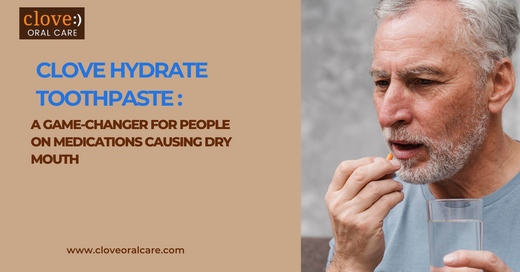
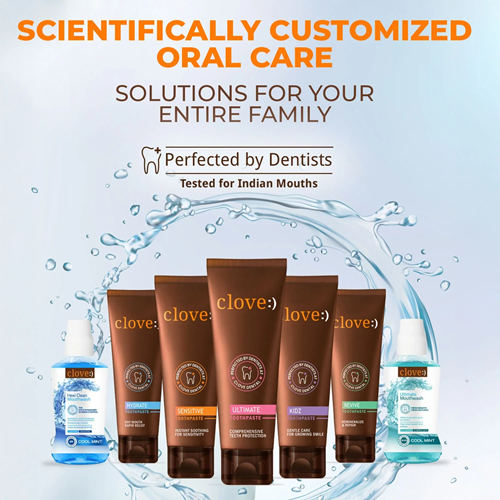
● Brush twice a day with the Clove Hydrate Toothpaste to balance the pH of your mouth. It’s patented Optaflow® technology delivers targeted hydration for dry mouth relief. The Bioactive formula fights germs, protects beneficial bacteria, and nurtures the oral ecosystem, keeping your mouth moisturised and fresh. Clove Hydrate is dentist-perfected for dry mouth conditions and to increase salivation by 140-150% from the baseline.
● Avoid brushing immediately after acidic meals, as your enamel is softened, and brushing can cause damage to it. Wait for about 30 minutes.
When you keep your oral pH stable and in the optimal range:
● You reduce the risk of enamel erosion and make your teeth more resilient.
● You promote remineralization, helping your enamel “heal” minor damage naturally.
● You limit cavity-causing bacteria, because acid-loving microbes thrive in a low-pH environment.
● You protect your breath and confidence.
A pH that stays around 6.7–7.0 (on average) is your safest bet for strong, healthy teeth. You can maintain a healthy pH level by making smart dietary choices, staying adequately hydrated, and practicing good oral care habits.