


Tooth sensitivity often develops slowly, which is why many people ignore the early warning signs until daily discomfort becomes difficult to manage.
Sharp pain while drinking cold water, discomfort during brushing, or sensitivity while eating sweets may indicate enamel damage caused by common everyday habits.
Many people unknowingly weaken their teeth through small daily routines that slowly damage enamel over time.
Understanding these habits can help protect teeth, reduce sensitivity, and improve long-term oral health.
Why Tooth Sensitivity Happens
Teeth contain nerves protected by enamel.
When enamel becomes weak or worn down, these nerves become exposed to:
- Hot foods
- Cold drinks
- Sweet foods
- Acidic beverages
This exposure causes sudden discomfort or sharp pain.
Weak enamel is one of the biggest reasons sensitivity develops gradually.
Habit 1: Brushing Too Hard
Many people believe aggressive brushing cleans teeth better.
However, brushing too hard can:
- Wear down enamel
- Damage gums
- Increase tooth sensitivity
Using soft brushing techniques helps protect enamel naturally.
Habit 2: Drinking Too Many Soft Drinks
Soft drinks are highly acidic and slowly weaken enamel.
Frequent consumption increases:
- Acid attacks
- Enamel erosion
- Sensitivity risk
This is one reason acidic foods slowly damage enamel and increase sensitivity over time.
Habit 3: Using the Wrong Toothpaste
Regular toothpaste may feel too harsh for sensitive teeth.
Some formulas contain strong ingredients that may increase discomfort.
People experiencing sensitivity often need gentler oral care products designed specifically for weak enamel.
Recognizing the signs you need a designed toothpaste for sensitive teeth can help improve brushing comfort.
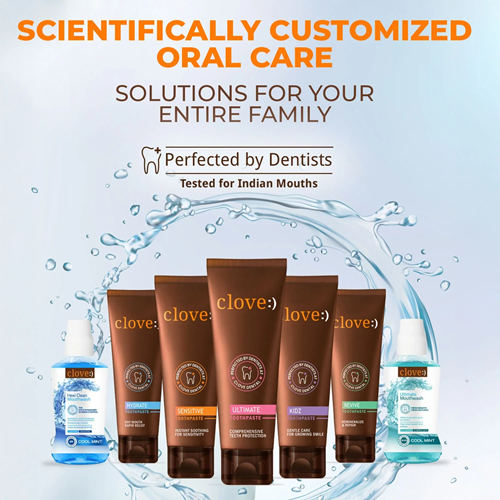
Using Clove Sensitive Toothpaste supports daily enamel protection and sensitivity care.
Habit 4: Grinding Teeth at Night
Many people grind their teeth while sleeping without realizing it.
Teeth grinding:
- Weakens enamel
- Creates pressure on teeth
- Increases sensitivity gradually
Morning discomfort may be connected to nighttime grinding habits.
Understanding morning tooth sensitivity causes and prevention tips can help identify the problem earlier.
Habit 5: Frequent Whitening Treatments
Excessive whitening products can increase enamel irritation.
People often experience:
- Temporary sensitivity
- Gum discomfort
- Increased cold sensitivity
This is why sensitive teeth after whitening treatments are becoming increasingly common.
Habit 6: Poor Nighttime Oral Care
Skipping nighttime brushing leaves bacteria and acids on teeth for several hours.
Over time this increases:
- Plaque buildup
- Enamel weakening
- Sensitivity risk
Healthy nighttime oral care habits are essential for protecting enamel.
Habit 7: Ignoring Early Sensitivity Symptoms
Many people ignore mild discomfort until sensitivity becomes severe.
Common warning signs include:
- Pain from cold drinks
- Sensitivity while brushing
- Discomfort with sweets
- Sudden sharp pain
These symptoms should never be ignored because they may indicate weak enamel or early dental problems.
How to Protect Sensitive Teeth
Healthy daily habits help reduce enamel damage significantly.
Helpful practices include:
✔ Brushing gently
✔ Reducing acidic foods
✔ Drinking more water
✔ Using soft toothbrushes
✔ Maintaining regular oral hygiene
Most importantly, people with sensitivity should use toothpaste designed specifically for enamel protection.
Using Clove Sensitive Toothpaste helps support safer brushing and daily comfort.
Foods That Increase Sensitivity
Certain foods can trigger discomfort more easily.
Reduce:
- Soft drinks
- Citrus fruits
- Candy
- Ice-cold beverages
Encourage:
- Water
- Dairy products
- Calcium-rich foods
Balanced eating habits help maintain stronger enamel naturally.
Why Consistency Matters
Many people expect instant improvement.
However, sensitivity protection requires:
- Consistent brushing habits
- Better food choices
- Proper oral care products
Small improvements repeated daily create stronger long-term oral health results.
Final Thoughts
Tooth sensitivity often develops because of everyday habits people rarely notice.
By improving oral care routines, reducing acidic foods, and using gentle sensitivity toothpaste, it becomes easier to protect enamel and reduce discomfort naturally.
Healthy enamel is essential for maintaining strong and comfortable teeth throughout life.