



Managing diabetes requires a delicate, daily balance—tracking blood glucose, planning balanced meals, taking medications, and scheduling routine health checkups. Yet, one of the most persistent and frustrating complications often flies under the radar until it causes severe daily discomfort: diabetic dry mouth, clinically known as xerostomia.
When your blood sugar runs high, your kidneys work overtime to filter and excrete excess glucose, pulling fluid from your tissues and causing mild dehydration. At the same time, elevated blood sugar levels can directly impair the normal functioning of your salivary glands, drastically reducing saliva production. Without enough saliva to coat, clean, and protect your mouth, basic activities like speaking, chewing, swallowing, and sleeping peacefully can feel painful and exhausting.
While maintaining optimal glycemic control and staying hydrated are fundamental steps, the specific products you use during your daily toothbrushing routine play a massive role in whether your symptoms improve or worsen. In this guide, we will break down why standard toothpastes often aggravate dry mouth, how dedicated hydrating toothpastes work to restore comfort, essential ingredients to look for, and how to build an effective daily oral care routine.
The Hidden Danger: Why Regular Toothpastes Can Worsen Dry Mouth
If you suffer from diabetic xerostomia, squeezing regular commercial toothpaste onto your brush every morning might actually be sabotaging your oral health. Most off-the-shelf toothpastes are formulated primarily for aggressive stain removal, deep plaque scouring, and intense breath-freshening. To achieve this, manufacturers rely on harsh chemical surfactants, strong synthetic flavorings, and abrasive compounds that strip away your mouth's delicate moisture barrier.
1. Sodium Lauryl Sulfate (SLS)
SLS is a synthetic detergent added to many toothpastes to create a rich, luxurious foam. While foam creates the perception of "cleanliness," SLS is a well-documented skin and mucosal irritant. It breaks down the delicate protective mucin layer lining your cheeks, gums, and tongue. For a person with normal saliva flow, the mouth quickly regenerates this layer. However, for someone with diabetes who already lacks saliva, SLS can cause intense burning sensations, micro-abrasions, painful mouth ulcers (canker sores), and severe, immediate dryness.
2. Abrasive Whitening Agents & Harsh Flavors
To deliver "instant whitening" or a "blast of freshness," standard toothpastes rely on harsh physical abrasives (like high-grit hydrated silica) alongside strong synthetic peppermint, menthol, or cinnamon flavorings. On dry, sensitive, or cracked oral tissue, these concentrated flavor oils act like salt on an open wound, triggering stinging, redness, and inflammation.
3. Drying Chemical Additives
Certain mass-market anti-plaque or whitening formulations contain alcohol traces, heavy astringents, or harsh anti-bacterial agents that desiccate the oral cavity further. When saliva production is already compromised, these chemicals leave your mouth completely undefended against bacterial overgrowth and rapid enamel erosion.
How Hydrating Toothpastes Provide Daily Relief
Specialized toothpastes for diabetic dry mouth are engineered with a completely different objective in mind. Rather than relying on aggressive, drying detergents, their primary focus is gentle cleansing, tissue hydration, and enamel preservation.
┌────────────────────────────────────────────────────────┐
│           Mechanisms of Hydrating Toothpaste            │
└────────────────────────────────────────────────────────┘
                           │
    ┌──────────────────────┼──────────────────────┐
    ▼                      ▼                      ▼
┌───────────────┐  ┌───────────────┐  ┌───────────────┐
│ Bio-Mimetic   │  │ Non-Irritating│  │ Enamel        │
│ Moisture      │  │ SLS-Free      │  │ Fortification │
│ Barrier       │  │ Base          │  │ & Protection  │
└───────┬───────┘  └───────┬───────┘  └───────┬───────┘
        │                  │                  │
        └──────────────────┼──────────────────┘
                           ▼
┌────────────────────────────────────────────────────────┐
│      Soothed Oral Tissues & Protected Enamel           │
└────────────────────────────────────────────────────────┘
Here is a closer look at how a high-quality hydrating toothpaste works inside a dry oral environment:
1. Forming a Bio-Mimetic Lubricating Barrier
Hydrating toothpastes incorporate soothing humectants and natural plant-based mucilages that mimic the protective function of natural salivary proteins. As you brush, these ingredients coat your gums, tongue, and inner cheeks with a soft, slippery film. This dramatically reduces friction between your cheeks and teeth, making talking and eating far more comfortable throughout the day.
2. Gentle, Non-Foaming Cleansing
Because they are completely SLS-free, specialized toothpastes do not produce intense, drying foam. Instead, they use mild, plant-derived cleansers that remove food particles and plaque film gently without stripping away the tiny amount of moisture your salivary glands manage to produce.
3. Fortifying Vulnerable Enamel Against "Dry Mouth Cavities"
Saliva is nature’s built-in enamel shield; it continuously bathes your teeth in essential minerals like calcium and phosphate, neutralizing food acids and repairing micro-damage. In a dry mouth, acid-producing bacteria thrive, leading to rapid, aggressive tooth decay (often along the sensitive gumline). Hydrating toothpastes supply crucial enamel-strengthening minerals and maintain a neutral pH to protect against rapid decay.
Key Ingredients to Look for (and Ingredients to Avoid)
Navigating the dental aisle can be overwhelming. When choosing a toothpaste for diabetic dry mouth, always inspect the ingredient label against this handy reference guide:
| Ingredient Category | Recommended Ingredients to Look For | Harsh Ingredients to Avoid |
| Moisturizers & Humectants | Glycerin, Xylitol, Aloe Vera, Hyaluronic Acid, Betaine | High-Alcohol Herbal Tinctures, Drying Astringents |
| Cleansing & Foaming Agents | Mild derivatives (e.g., Sodium Cocoyl Glutamate, Lauryl Glucoside) | Sodium Lauryl Sulfate (SLS), Sodium Laureth Sulfate (SLES) |
| Sweeteners & Protective Agents | 100% Plant-Derived Xylitol (natural anti-cavity agent) | Added Sugars, Corn Syrups, Harsh Artificial Sweeteners |
| Flavoring | Gentle, natural mild mint, herbal extracts, unflavored | Heavy Menthol, Synthetic Cinnamon, Artificial Dyes |
Why Xylitol is a Game-Changer for Diabetic Oral Health
You will notice Xylitol listed prominently in high-grade hydrating toothpastes, and for good reason. Xylitol is a natural, plant-based sugar alcohol that offers a dual benefit for individuals managing diabetes:
- Doesn't Spike Blood Sugar: Xylitol is metabolized independently of insulin, meaning it has a negligible impact on blood glucose levels.
- Inhibits Cavity-Causing Bacteria: Harmful oral bacteria (Streptococcus mutans) ingest Xylitol thinking it is sugar, but they cannot process it. As a result, their growth and acid production are halted, drastically reducing plaque formation and protecting your teeth in a dry environment.
- Stimulates Natural Saliva: The natural sweetness of Xylitol sends sensory signals to your brain that stimulate any functioning salivary gland tissue to secrete fresh saliva.
Integrating Clove Hydrate Toothpaste into Your Care Plan
Finding a formulation that addresses every aspect of diabetic xerostomia—without compromising on safety or taste—is crucial.
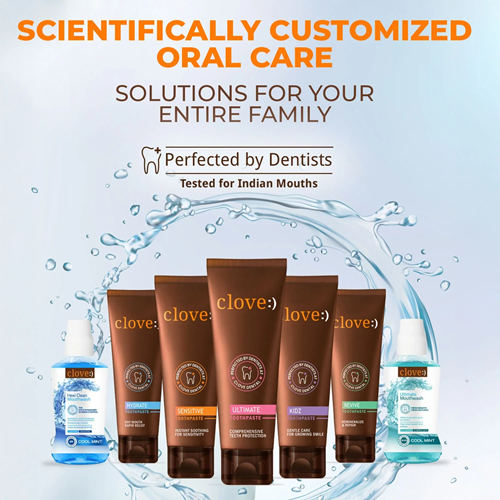
Integrating Clove Hydrate Toothpaste into your daily oral care routine offers targeted relief designed specifically for sensitive, dry oral environments. Formulated without harsh SLS or drying chemicals, it cleanses effectively while locking in long-lasting moisture.
By switching to a specialized hydrating toothpaste for xerostomia, you replace drying detergents with soothing hydration, helping shield your enamel and eliminate the uncomfortable friction associated with high blood sugar levels.
Step-by-Step Daily Routine for Maximum Dry Mouth Relief
Using the right toothpaste is a critical piece of the puzzle, but combining it with a supportive routine yields the best results:
┌─────────────────────────────────────────────────────────┐
│           Daily Dry Mouth Relief Routine                │
└───────────────────────────┬─────────────────────────────┘
                            │
  ┌─────────────────────────┼─────────────────────────┐
  ▼                         ▼                         ▼
┌──────────────────┐  ┌──────────────────┐  ┌──────────────────┐
│ Morning Care     │  │ Daytime Support  │  │ Nighttime Prep   │
│ • Soft Brush     │  │ • Water Sipping  │  │ • Hydrating      │
│ • Hydrating Gel  │  │ • Xylitol Mints  │  │   Toothpaste     │
│ • Spit, Don't    │  │ • Oil Pulling /  │  │ • Cool-Mist      │
│   Rinse          │  │   Alcohol-Free   │  │   Humidifier     │
└──────────────────┘  └──────────────────┘  └──────────────────┘
- Brush Gently Twice Daily: Use a brush with ultra-soft bristles. Apply Clove Hydrate Toothpaste and use light, circular motions for two full minutes. Avoid aggressive scrubbing, which can damage fragile gum tissue.
- Spit, Don't Rinse: After brushing, spit out excess toothpaste, but refrain from rinsing your mouth with water immediately. Leaving a thin residue of the hydrating ingredients on your teeth and gums allows the moisturizing agents to continue working long after you finish brushing.
- Floss with Care: Use a pre-lubricated or waxed dental floss to clean between teeth gently without snapping into sensitive, dry gum margins.
- Sip Water Consistently: Keep a reusable water bottle near you. Take small, frequent sips throughout the day rather than drinking large volumes all at once. Swish the water gently before swallowing to re-wet your cheeks and tongue.
- Run a Cool-Mist Humidifier at Night: Nighttime xerostomia is often the most severe because salivary flow naturally drops during sleep. Running a humidifier on your bedside table keeps ambient moisture levels between 40% and 50%, preventing your throat and lips from drying out overnight.
When to Consult Your Dentist or Healthcare Provider
While a dedicated hydrating toothpaste provides dramatic daily relief, it is important to maintain regular checkups with your dental and medical team. Schedule an appointment immediately if you notice any of the following symptoms:
- White, patchy coatings on your tongue, palate, or inner cheeks (a common sign of Candida fungal infection/thrush).
- Persistent, painful mouth sores or bleeding gums that do not improve within 7 to 10 days.
- Difficulty chewing, speaking, or swallowing solid foods even after sipping fluids.
- Sudden, sharp tooth sensitivity or dark spots forming along your gumline.
Conclusion
Living with diabetes requires careful attention to your body's signals, and persistent dry mouth should never be ignored. While controlling blood sugar levels addresses the root physiological cause, modifying your daily hygiene routine provides immediate, tangible comfort.
By stepping away from aggressive, drying commercial formulas and switching to a gentle, non-irritating toothpaste for diabetic dry mouth, you can soothe tender oral tissues, protect your tooth enamel against decay, and enjoy a comfortable, healthy smile every day.