


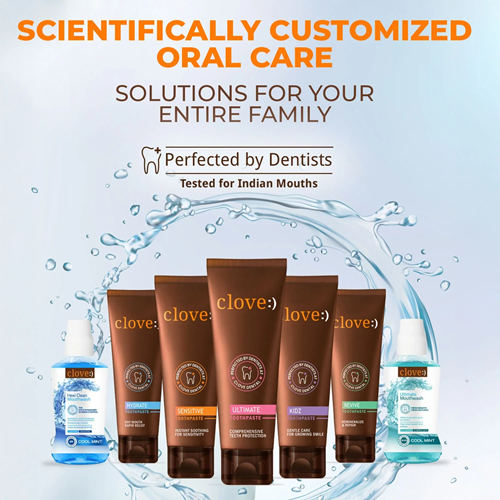
Tooth enamel plays a major role in protecting your teeth from daily damage caused by acids, sugar, bacteria, and temperature changes. When enamel becomes weak, teeth may become more sensitive, vulnerable to cavities, and prone to long-term dental problems.
Many people do not realize they have weak enamel until they begin experiencing discomfort while eating sweets, drinking cold beverages, or consuming acidic foods. By that stage, enamel erosion may already have started affecting the protective outer layer of the teeth.
Choosing the best toothpaste for weak enamel can help support enamel protection, reduce sensitivity, and improve long-term oral health. However, not every toothpaste is designed to strengthen weakened enamel effectively.
In this guide, we’ll explain what causes weak enamel, the signs to watch for, how enamel-supporting toothpaste works, and what ingredients to look for when choosing the right oral care solution.
What Is Tooth Enamel?
Tooth enamel is the hard outer surface that protects your teeth from physical and chemical damage. It acts as a protective barrier against:
-
Acid attacks
-
Sugar damage
-
Bacteria
-
Temperature sensitivity
-
Daily wear and tear
Healthy enamel helps keep teeth:
-
strong
-
smooth
-
naturally white
-
less sensitive
However, once enamel becomes damaged, it cannot fully regenerate naturally. That’s why early protection is extremely important.
If you want to understand the main reasons behind enamel damage, read our guide on what causes tooth enamel erosion.
What Causes Weak Tooth Enamel?
Several daily habits and lifestyle factors can weaken tooth enamel over time.
1. Acidic Foods and Drinks
Acidic beverages and foods are among the biggest causes of enamel erosion.
Common triggers include:
-
soft drinks
-
citrus fruits
-
packaged juices
-
energy drinks
-
vinegar-based foods
Frequent acid exposure gradually removes minerals from the enamel surface.
2. Excess Sugar Consumption
Sugar feeds harmful oral bacteria that produce enamel-damaging acids.
Repeated sugar exposure increases:
-
enamel weakening
-
cavities
-
tooth sensitivity
People experiencing discomfort after sweets may benefit from learning why sweet foods hurt teeth.
3. Aggressive Brushing
Brushing too hard or using abrasive toothpaste may wear away enamel gradually.
Using:
-
soft-bristle toothbrushes
-
gentle brushing techniques
can help reduce unnecessary enamel damage.
4. Teeth Grinding
Grinding or clenching teeth can create excessive pressure that weakens enamel over time.
Signs of grinding include:
-
jaw discomfort
-
flattened teeth
-
morning headaches
-
increased sensitivity
5. Poor Oral Hygiene
Inadequate brushing and plaque buildup increase acid production inside the mouth, raising the risk of enamel erosion and cavities.
Signs Your Tooth Enamel May Be Weak
Weak enamel often develops slowly, making early signs easy to ignore.
Some common warning signs include:
-
Sweet sensitivity
-
Sour sensitivity
-
Hot and cold sensitivity
-
Yellow-looking teeth
-
Rough tooth edges
-
Increased cavity risk
If you notice these symptoms regularly, you may also want to explore signs of weak tooth enamel.
Why Choosing the Right Toothpaste Matters
Not all toothpaste formulas are designed to support weakened enamel.
A toothpaste formulated for enamel protection may help:
-
strengthen enamel
-
support remineralization
-
reduce sensitivity
-
protect against acid attacks
Using the wrong toothpaste may worsen enamel wear, especially if it contains highly abrasive ingredients.
What to Look for in the Best Toothpaste for Weak Enamel
When selecting toothpaste for enamel protection, certain ingredients and features are especially important.
1. Remineralization Support
Remineralization helps restore essential minerals to weakened enamel surfaces.
Ingredients that support remineralization may help:
-
strengthen teeth
-
improve enamel resistance
-
reduce sensitivity triggers
2. Fluoride Protection
Fluoride is commonly used in enamel-supporting toothpaste because it helps strengthen weakened areas and protect against acid damage.
3. Sensitivity Relief
Weak enamel often increases sensitivity to:
-
sweets
-
sour foods
-
cold drinks
-
hot beverages
A toothpaste designed for sensitivity protection may help reduce discomfort over time.
4. Low Abrasiveness
Highly abrasive toothpaste may wear down already weakened enamel.
Gentler formulas are usually preferred for long-term enamel care.
How Enamel-Strengthening Toothpaste Works
Enamel-supporting toothpaste is designed to help strengthen and protect weakened teeth through daily oral care.
These formulas may help:
-
restore minerals
-
reduce enamel wear
-
support sensitivity protection
-
improve enamel resistance
People looking for a scientifically formulated enamel strengthening toothpaste often prefer products designed specifically for remineralization and sweet sensitivity support.
Can Toothpaste Repair Weak Enamel?
Toothpaste cannot completely regrow severely damaged enamel. However, early enamel weakening may improve through remineralization support.
Proper oral care can help:
-
strengthen weakened areas
-
slow further erosion
-
reduce sensitivity
-
improve enamel protection
This is why choosing the right toothpaste early is important.
Best Daily Habits for Protecting Weak Enamel
In addition to using the right toothpaste, daily habits also play a major role in enamel protection.
1. Limit Acidic Foods
Reducing acid exposure can help slow enamel erosion.
Try limiting:
-
soda
-
citrus drinks
-
sports beverages
-
acidic snacks
2. Reduce Frequent Snacking
Frequent snacking exposes teeth to repeated acid attacks throughout the day.
Giving teeth time to recover between meals supports healthier enamel.
3. Brush Gently
Avoid aggressive brushing that may damage enamel further.
Always use:
-
soft-bristle toothbrushes
-
gentle circular motions
4. Stay Hydrated
Saliva helps neutralize acids and support natural enamel protection.
Drinking enough water throughout the day supports healthier oral conditions.
5. Visit a Dentist Regularly
Routine dental checkups help identify early enamel damage before severe problems develop.
Best Toothpaste for Sweet & Sour Sensitivity
Weak enamel often causes increased sensitivity to sweets and acidic foods.
People experiencing:
-
sweet sensitivity
-
sour sensitivity
-
mild enamel erosion
may benefit from using a remineralizing toothpaste formulated for enamel support and sensitivity protection.
Advanced enamel-supporting oral care products may help improve long-term protection against daily acid and sugar exposure.
Common Mistakes That Can Worsen Enamel Damage
Many people unknowingly damage enamel through poor oral habits.
Common mistakes include:
-
brushing immediately after acidic foods
-
excessive soda consumption
-
aggressive brushing
-
constant snacking
-
ignoring sensitivity symptoms
Avoiding these habits can help protect enamel more effectively.
Frequently Asked Questions
What is the best toothpaste for weak enamel?
People with weak enamel often prefer toothpaste for remineralization, enamel strengthening, and sensitivity protection.
Can weak enamel become strong again?
Early-stage enamel weakening may improve through remineralization support and proper oral care habits.
Does fluoride help weak enamel?
Fluoride can help strengthen weakened enamel and improve resistance against acid damage.
Why do weak teeth become sensitive?
As enamel weakens, sensitive inner tooth layers become more exposed to temperature changes, sweets, and acids.
Can enamel erosion cause cavities?
Yes. Weak enamel increases the risk of cavities, tooth decay, and long-term dental damage.
Final Thoughts
Weak tooth enamel can increase sensitivity, discomfort, and cavity risk if left untreated. Modern diets, acidic beverages, sugar exposure, and unhealthy brushing habits can all contribute to enamel erosion over time.
Fortunately, early enamel damage can often be managed through better oral care habits and enamel-supporting toothpaste designed for remineralization and sensitivity protection.
For individuals experiencing sweet or sour sensitivity, using a scientifically formulated toothpaste for weak enamel may help support stronger teeth and better long-term enamel protection.