


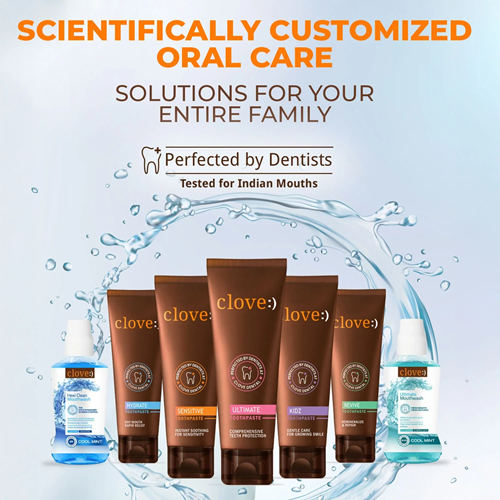
A common question many people ask is: Can mouthwash replace brushing? With busy lifestyles and quick-fix products everywhere, it’s tempting to believe that a quick rinse could do the job of brushing your teeth.
The short and honest answer is: No, mouthwash cannot replace brushing. However, mouthwash does play a powerful supporting role in your daily oral-care routine. In this guide, we’ll explain exactly why brushing is irreplaceable, what mouthwash really does, and how to use both together for maximum results.
✅ Why Brushing Is Absolutely Essential
Brushing is the foundation of oral hygiene because it:
- Physically removes plaque from tooth surfaces
- Cleans food particles stuck between teeth
- Prevents cavities and tooth decay
- Reduces gum disease and bleeding
- Strengthens enamel with fluoride toothpaste
Mouthwash cannot scrub plaque off your teeth. Only a toothbrush can do that.
✅ What Mouthwash Actually Does (And What It Doesn’t)
Mouthwash is designed to:
- Kill odor-causing bacteria
- Freshen breath instantly
- Reach areas brushing may miss
- Support gum health
Provide additional cavity protection (if it contains fluoride)
But mouthwash does NOT:
- Remove stuck plaque
- Scrub food from tooth surfaces
- Prevent tartar buildup on its own
🚫 Why Mouthwash Cannot Replace Brushing
- Plaque is sticky and must be physically removed
- Food debris sticks to teeth and requires scrubbing
- Gums need gentle brushing stimulation
- Fluoride from toothpaste needs contact with enamel
Using only mouthwash is like rinsing a dirty plate without scrubbing—it may smell clean, but it’s not truly clean.
✅ Can Mouthwash Replace Brushing During Travel or Emergencies?
In rare situations—such as long travel, illness, or emergencies—using mouthwash temporarily is better than doing nothing at all. It helps:
- Control bacteria
- Reduce bad breath
- Lower acid levels in the mouth
But this should never become a daily habit. You must return to brushing as soon as possible.
✅ The Right Way to Use Mouthwash With Brushing
For best results, follow this routine:
- Brush twice daily for 2 minutes
- Use a soft or ultra-soft toothbrush
- Floss once a day
- Use mouthwash after brushing
Avoid eating or drinking for 30 minutes after rinsing
🦷 Brushing vs Mouthwash: Quick Comparison
| Function | Brushing | Mouthwash |
|---|---|---|
| Removes plaque | ✅ Yes | ❌ No |
| Freshens breath | ✅ Yes | ✅ Yes |
| Prevents cavities | ✅ Strongly | ✅ Supportive |
| Strengthens enamel | ✅ With fluoride toothpaste | ✅ If fluoride-based |
| Deep cleaning | ✅ Yes | ❌ No |
❓ Frequently Asked Questions
Can I skip brushing if I use mouthwash daily?
No. Mouthwash alone cannot remove plaque or food particles. Skipping brushing increases cavity and gum disease risk.
Is mouthwash better than brushing?
No. Brushing is the core of oral hygiene. Mouthwash is only an additional support.
Is it okay to use mouthwash without brushing at night?
No. Night-time brushing is the most important because bacterial growth increases during sleep.
Can mouthwash damage teeth if used alone?
Yes. Without brushing, plaque buildup increases even if you use mouthwash.
🎯 Final Verdict: Can Mouthwash Replace Brushing?
No—mouthwash can NEVER replace brushing. It is a powerful supporting tool but not a substitute. For healthy teeth and gums, you must always brush twice daily, floss once a day, and use mouthwash only as an extra layer of protection.
If you care about long-term oral health, remember this simple rule:
Brush first. Rinse second. Never replace one with the other.