


Tooth enamel is the strongest substance in the human body, yet it is not invincible. Enamel erosion has become increasingly common in India due to acidic foods, lifestyle habits, and aggressive brushing. This has led to a rise in tooth sensitivity, cavities, and gum problems. Many toothpaste brands advertise “enamel repair,” “rebuilding enamel,” or “fixing enamel damage,” but consumers rarely understand what enamel can truly do—and what it cannot.
This expert guide explains the difference between enamel repair and enamel protection, debunks marketing myths, discusses scientifically accurate enamel care, and highlights how modern formulations strengthen India’s dental resilience.
-What Is Tooth Enamel?
Tooth enamel is the hard, outermost layer of your teeth. It protects the inner dentin and nerve tissues from external triggers like heat, cold, sugar, acids, and bacteria. Enamel is made primarily of hydroxyapatite crystals—a mineral compound of calcium and phosphate.
Unlike bone, enamel has no living cells, meaning:
- It cannot regenerate once lost
- It cannot regrow on its own
- Damage is permanent
This makes protection and remineralization essential.
- What Causes Enamel Erosion?
Enamel erosion occurs when acids or mechanical force wear away the outer layer of the tooth. Leading causes include:
- Acidic foods such as lemon water, pickles, soda, vinegar
- Sugar‑rich Indian sweets
- Grinding and clenching teeth
- Hard brushing or hard‑bristled toothbrushes
- Frequent snacking
- Acid reflux or gastric issues
- Low saliva production (dry mouth)
- Frequent consumption of flavored teas or sports drinks
Once enamel becomes thin, sensitivity and cavities accelerate.
-Enamel Repair vs. Enamel Protection: The Real Difference
Here is the truth behind these terms:
1. Enamel Repair
Enamel cannot “repair” in the literal sense because it lacks living cells to regenerate. However, minerals can be redeposited onto the enamel surface in a process called remineralization.
Remineralization:
- Rebuilds micro‑weaknesses
- Hardens tooth surfaces
- Strengthens enamel over time
But it does not reverse deep enamel loss.
2. Enamel Protection
Protection involves preventing further damage. This includes:
- Strengthening enamel
- Reducing acidity
- Using gentle brushing techniques
- Avoiding enamel‑wearing foods
Protection is the most critical element in long‑term dental health.
-How Remineralization Works?
Remineralization is the process where lost minerals are restored to enamel. It requires:
- Saliva with adequate minerals
- Fluoride toothpaste
- Balanced oral pH
Ingredients like fluoride help attract calcium and phosphate back into weakened enamel areas, rebuilding microscopic regions and strengthening surfaces.
-Ingredients That Support Enamel Strengthening
1. Fluoride
The gold standard. It hardens enamel and makes it resistant to acid attacks.
2. Calcium & Phosphate Compounds
These minerals work with fluoride to rebuild weakened spots.
3. Potassium Nitrate
Not directly for enamel but reduces sensitivity associated with enamel wear.
4. Gentle Abrasives
Low‑abrasive formulations (like hydrated silica) clean without scratching enamel.
5. pH‑Balancing Ingredients
Help maintain a healthy oral environment.
-Why Enamel Cannot Fully Regrow?
Marketing claims around “enamel rebuilding” are misleading. Since enamel has no cells, it cannot regenerate like bone or skin. Remineralization strengthens enamel but does not restore deeply eroded layers.
True enamel loss is permanent. That is why protection is essential.
-How Toothpaste Helps Protect Enamel?
A good enamel‑safe toothpaste should:
- Contain fluoride
- Avoid harsh abrasives
- Have pH‑balanced formulations
- Reduce sensitivity
- Clean gently but effectively
- Prevent plaque buildup
Toothpaste alone cannot cure enamel erosion, but it can prevent further damage.
-Lifestyle Habits to Protect Enamel
1. Avoid Brushing Too Hard
Aggressive brushing is one of India’s biggest enamel killers.
2. Don’t Brush Immediately After Acidic Foods
Wait 30 minutes to avoid brushing acids into enamel.
3. Reduce Acidic Food Intake
Limit pickles, soda, lemon juice, vinegar, and salads with strong dressings.
4. Limit Sugar Consumption
Sugar feeds bacteria that produce enamel‑eroding acids.
5. Drink More Water
Helps regulate oral pH and reduce acid attacks.
6. Switch to an Ultra‑Soft Toothbrush
Prevents mechanical enamel wear.
7. Reduce Snacking
Frequent eating triggers constant acid exposure.
-The Role of Clove Oral Care Toothpaste in Enamel Protection.
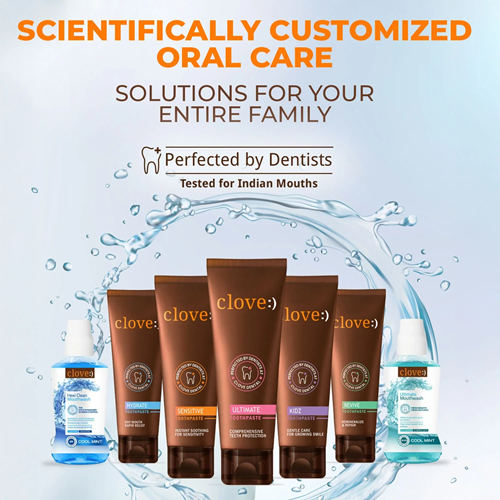
Modern brands like Clove Oral Care create dentist‑backed formulations designed specifically for enamel‑conscious consumers. Their toothpaste range incorporates:
- Optimal fluoride levels
- Safe, gentle cleaning agents
- Plant‑based gum‑soothing extracts
- Non‑abrasive polishing systems
- Protection against sensitivity
These help preserve enamel integrity while supporting daily hygiene.
-Do Enamel Repair Toothpastes Really Work?
Enamel repair toothpastes work only in the sense of remineralizing weakened spots. They do not regrow enamel lost to decay, chipping, or long‑term erosion.
However, they are essential because they:
- Stop progression of enamel loss
- Harden weak enamel regions
- Reduce sensitivity
- Improve oral comfort
Using them consistently makes a major difference.
-When to See a Dentist for Enamel Issues ?
Seek professional help if you notice:
- Persistent sensitivity
- Teeth appearing yellow (enamel thinning)
- Chipped or cracked enamel
- Rough edges on teeth
- Cavities forming frequently
Dentists may recommend fluoride varnish, bonding, or protective coatings.
-Final Thoughts: Focus on Protection, Not Repair.
Enamel is precious, and once it is gone, it cannot come back. Instead of relying on marketing promises of “repair,” consumers should prioritize enamel protection and remineralization. With the right toothpaste, dietary habits, and oral‑care routine, enamel can stay strong and healthy for decades.
In 2025 and beyond, the smartest approach is simple: strengthen what you have, protect it daily, and choose formulations backed by science—not hype. Brands like Clove Oral Care ensure that enamel protection becomes a natural part of every Indian household’s oral‑care routine.