


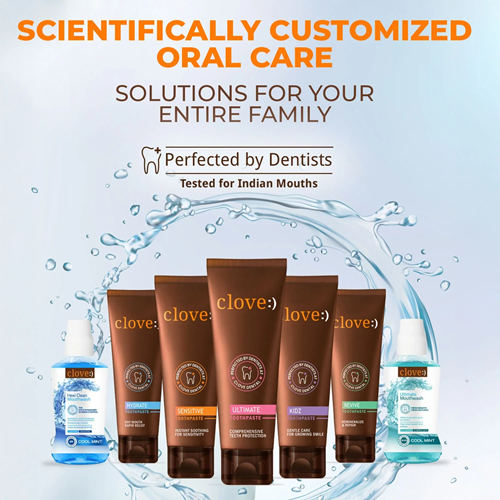
Toothpaste is something we use every day, but its origins go back thousands of years. The history of toothpaste reveals how humans evolved from abrasive powders and herbal pastes to scientifically engineered formulas that protect teeth, fight cavities, strengthen enamel, and improve gum health.
This article traces the journey of toothpaste—from ancient civilizations to the innovative oral-care solutions we rely on today.
🕰️ The Earliest Forms of Tooth Cleaning
Tooth cleaning began long before modern toothpaste existed. Ancient civilizations used natural substances to clean and polish teeth, including:
- crushed eggshells
- burnt animal bones
- salt and charcoal
- powdered herbs
- tree bark and twigs
The oldest known “tooth powder” dates back to 5,000 BC in ancient Egypt.
🏺 Ancient Toothpaste Around the World
Egyptians (5,000 BC)
Used abrasive powders made from ash, pumice, and vinegar to remove stains and plaque.
Greeks & Romans
Added crushed oyster shells and charcoal for whitening and polishing.
Chinese & Indians
Used herbal pastes with mint, ginseng, and salt — early versions of flavored toothpaste.
📜 The Birth of Modern Toothpaste
The transition from powders to paste happened in the early 1800s.
- 1824 — soap was added to toothpowder
- 1850 — the first commercial paste was introduced
- 1873 — the first mass-produced toothpaste was manufactured
The introduction of fluoride in the 1890s marked a turning point, providing proven cavity protection and enamel strengthening.
🧴 When Toothpaste Became a Household Staple
The invention of the collapsible tube in 1892 made toothpaste more convenient, clean, and portable. By the early 1900s:
- fluoride became standard
- flavors like mint increased usage
- mass production reduced cost
Toothpaste was no longer a luxury — it became part of daily hygiene.
🔬 The Rise of Specialized Toothpaste (Modern Era)
Today, toothpaste is formulated for specific oral-care needs, including:
- sensitivity relief
- whitening
- enamel repair
- gum care
- kids' oral health
Modern toothpaste focuses on low abrasion, enamel safety, gum protection, and active ingredients instead of harsh cleaning agents.
🌱 The Natural & Clean-Label Movement
Recent trends emphasize:
- gentler formulas
- reduced sulfates
- fewer synthetic chemicals
- herbal & plant-based ingredients
Consumers are increasingly choosing toothpaste that balances effectiveness + safety.
🦷 How Toothpaste Evolved: A Quick Timeline
| Era | Toothpaste Type | Main Ingredients |
|---|---|---|
| 5,000 BC | Tooth powders | crushed shells, bones, ash |
| 1800s | Pastes | soap, chalk, salt |
| 1900s | Fluoride toothpaste | fluoride, mint, abrasives |
| 2000s | Specialized formulas | sensitivity, whitening, herbal |
| 2025+ | Low-abrasion + enamel science | clinically backed actives |
🎯 Final Overview
The history of toothpaste reflects humanity’s ongoing quest for healthier teeth and fresher breath — evolving from primitive powders to scientifically advanced formulas. Today’s toothpaste is safer, more effective, and tailored to individual needs, from whitening and enamel repair to sensitivity and gum health.
What began as crushed shells and herbs is now a key pillar of modern oral care — and its evolution continues with innovations in enamel science, fluoride technology, and gentle, low-abrasion formulations.