



Living with diabetes requires constant vigilance over blood glucose levels, dietary choices, and medication schedules. However, one chronic issue that frequently disrupts daily life and oral comfort is persistent dryness in the mouth—known medically as xerostomia.
When your saliva flow drops, simply eating, speaking, or swallowing can feel frustrating and uncomfortable. Naturally, many people search for solutions, asking: how to fix dry mouth from high blood sugar?
While maintaining long-term blood glucose control is the ultimate solution, there are immediate, actionable steps you can take to manage uncomfortable symptoms. From targeted natural remedies to specialized oral hygiene care, you can effectively stimulate saliva, protect your teeth, and restore daily comfort.
In this comprehensive guide, we will break down how to cure dry mouth from diabetes (and manage it effectively), explore high-impact diabetic dry mouth relief home remedies, review natural saliva boosters for diabetic dry mouth, and highlight why choosing the right toothpaste for diabetic dry mouth is essential for daily comfort.
Understanding the Need for Saliva Management
Before diving into remedies, it helps to understand why saliva is so vital for your oral ecosystem. Saliva is not just water; it is a complex fluid packed with enzymes, proteins, and minerals designed to protect your mouth.
┌────────────────────────────────────────────────────────┐
│               Protective Roles of Saliva              │
└────────────────────────────────────────────────────────┘
                           │
    ┌──────────────────────┼──────────────────────┐
    ▼                      ▼                      ▼
┌───────────────┐  ┌───────────────┐  ┌───────────────┐
│ Lubrication   │  │ Remineral-    │  │ Antimicrobial │
│ & Comfort     │  │ ization       │  │ Defense       │
└───────┬───────┘  └───────┬───────┘  └───────┬───────┘
        │                  │                  │
        └──────────────────┼──────────────────┘
                           ▼
┌────────────────────────────────────────────────────────┐
│           Healthy, Protected Oral Environment           │
└────────────────────────────────────────────────────────┘
When high blood sugar reduces saliva output, your oral cavity loses its natural defenses against acid-producing bacteria, fungal infections like oral thrush, and friction-induced mouth sores. Therefore, effective dry mouth treatment for diabetics must focus on two goals: stimulating natural saliva production and providing artificial hydration to protect sensitive tissues.
8 Proven Diabetic Dry Mouth Relief Home Remedies
If you are looking for simple, natural ways to keep your mouth moist throughout the day, these evidence-based diabetic dry mouth relief home remedies can provide significant comfort:
1. Frequent Water Sipping (The Hydro-Rinse Method)
Instead of drinking large glasses of water at once—which simply flushes through your system and leads to frequent bathroom trips—adopt the habit of taking small, frequent sips of water every 15 to 20 minutes. Swishing the water around your mouth before swallowing helps keep oral tissues continuously lubricated.
2. Sugar-Free Chewing Gum or Mints (Xylitol-Based)
Chewing stimulates the masseter muscles, sending physical signals to your salivary glands to produce saliva.
- Choose Xylitol: Opt for chewing gum or hard candies sweetened with Xylitol. Xylitol not only acts as a natural saliva booster for diabetic dry mouth, but it also inhibits the growth of cavity-causing bacteria.
- Avoid Sugar: Never use regular sugar-sweetened gums or candies, as sugar directly fuels plaque bacteria and raises blood glucose levels.
3. Oil Pulling with Coconut Oil
An ancient Ayurvedic practice, oil pulling involves swishing a tablespoon of organic, cold-pressed coconut oil in your mouth for 10 to 15 minutes before spitting it out.
- Coconut oil acts as a natural lubricant that coats dry oral mucosa.
- It contains lauric acid, which possesses natural antimicrobial properties to fight off fungal yeast (Candida) and bacteria that thrive in dry environments.
4. Aloe Vera Juice Rinses
Aloe vera is renowned for its soothing and moisturizing properties. Swishing pure, unsweetened aloe vera juice (or gel diluted with water) around your mouth twice daily helps reduce oral tissue inflammation, soothe burning tongue sensations, and lock in moisture.
5. Chewing on Fresh Ginger or Cardamom
- Ginger: Contains active compounds like gingerol that naturally stimulate salivary gland secretion. Chewing a thin slice of fresh ginger root or drinking warm ginger tea can kickstart saliva flow.
- Cardamom Seeds: A traditional chewable remedy that freshens breath while encouraging natural salivation.
6. Use a Cool-Mist Room Humidifier
Dry indoor air rapidly evaporates moisture from your mouth, especially during sleep. Running a cool-mist humidifier in your bedroom or workspace maintains optimal ambient humidity (40–50%), preventing your throat and lips from parching.
7. Avoid Alcohol-Based Mouthwashes
Many commercial mouthwashes contain high percentages of alcohol to kill bacteria. However, alcohol acts as a severe astringent that strips away moisture and burns dry, sensitive tissues. Always switch to an alcohol-free, moisturizing oral rinse.
8. Practice Nasal Breathing
Mouth-breathing continuously moves air across your tongue and palate, drying out whatever saliva is present. If nasal congestion or sinus issues force you to breathe through your mouth, consider using nasal saline sprays, steam inhalation, or nasal strips to clear your airways.
Key Lifestyle & Dietary Changes for Saliva Enhancement
Home remedies work best when supported by dietary habits that don't drain your body of water.
| Food/Habit | Impact on Dry Mouth | Recommendation for Diabetics |
| Caffeine (Coffee/Tea) | Acts as a natural diuretic; accelerates body water loss. | Limit intake to 1 cup daily; follow with a glass of water. |
| Salty Foods | Draws moisture out of oral mucous membranes. | Reduce sodium intake; avoid heavily processed snacks. |
| Tobacco & Alcohol | Severely restricts blood circulation to salivary glands. | Eliminate completely to preserve glandular health. |
| Crunchy/Dry Foods | Causes friction and painful tissue abrasions. | Moisten foods with healthy broths, olive oil, or sauces. |
The Role of Specialized Hydrating Oral Care
While natural remedies provide excellent day-to-day support, maintaining optimal oral health requires a tailored hygiene routine. Standard off-the-shelf toothpastes often contain aggressive foaming agents like Sodium Lauryl Sulfate (SLS) and strong synthetic flavorings that can cause stinging sensations on dry tissues.
                  ┌───────────────────────────────────────────┐
                  │      Comprehensive Dry Mouth Strategy     │
                  └─────────────────────┬─────────────────────┘
                                        │
     ┌───────────────────┬──────────────┴──────────────┬───────────────────┐
     ▼                   ▼                             ▼                   ▼
┌─────────┐      ┌───────────────┐             ┌──────────────┐    ┌───────────────┐
│ Blood   │      │ Hydrating     │             │ Natural      │    │ Lifestyle     │
│ Glucose │      │ Toothpaste    │             │ Boosters     │    │ Adjustments   │
└────┬────┘      └───────┬───────┘             └──────┬───────┘    └───────┬───────┘
     │                   │                            │                    │
     • Monitor A1C       • Non-SLS Formula            • Xylitol Gum        • Limit Caffeine
     • Diet Control      • Soothes Irritation         • Oil Pulling        • Humidifier
     • Medications       • Enamel Protection          • Ginger Chews       • Nasal Breath
To provide long-lasting comfort and shield your enamel from decay, switch to a dedicated hydrating toothpaste for xerostomia.
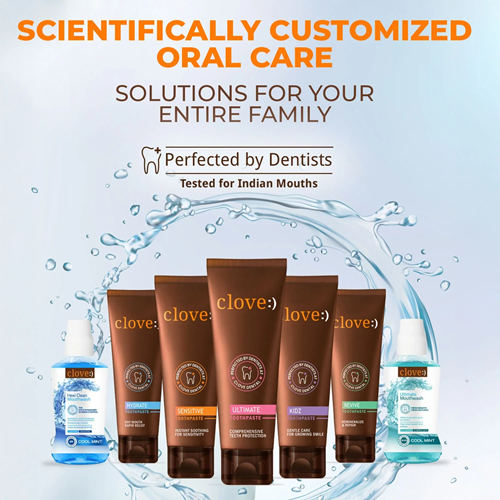
Integrating Clove Hydrate Toothpaste into your daily brushing routine ensures that your teeth and gums are cleansed without stripping away vital moisture. It is specifically formulated to soothe dry, irritated tissues, support natural saliva balance, and deliver rapid dry mouth relief for high sugar levels.
Medical & Clinical Treatments for Diabetic Xerostomia
If home remedies and specialized toothpastes do not yield sufficient relief, it is essential to consult your medical and dental team. They may evaluate and recommend clinical options:
- Saliva Substitutes & Sprays: Over-the-counter or prescription artificial saliva substitutes (containing carboxymethylcellulose or hydroxyethylcellulose) closely mimic real saliva and can be sprayed into the mouth as needed.
- Sialogogues (Saliva-Stimulating Prescription Medications): In cases of severe glandular dysfunction, doctors may prescribe medications like Pilocarpine or Cevimeline, which stimulate nerve receptors to boost salivary secretion.
- Medication Review: Your physician can review your prescription list to adjust the timing or dosages of drugs (like antihypertensives or diuretics) that contribute to dry mouth.
- Professional Fluoride Varnish: Your dentist can apply high-concentration fluoride gels or varnishes during routine check-ups to fortify tooth enamel against the rapid decay risks associated with low saliva flow.
When to Seek Immediate Medical Attention
Dry mouth is generally manageable, but certain warning signs warrant an immediate visit to your dentist or physician:
- White, lacey patches or severe redness on your tongue or inner cheeks (signs of oral thrush).
- Persistent, painful mouth ulcers or open sores that do not heal within 7 to 10 days.
- Bleeding, swollen, or receding gums.
- Sudden, severe tooth sensitivity or visible dark spots near the gumline.
- Difficulty swallowing solid foods even after drinking fluids.
Conclusion
Managing diabetic xerostomia requires a multi-faceted approach. While controlling your blood glucose levels addresses the root cause, combining natural diabetic dry mouth relief home remedies with practical lifestyle adjustments can drastically improve your daily quality of life.
By staying hydrated, using natural saliva boosters for diabetic dry mouth, avoiding drying substances, and brushing daily with a specialized toothpaste for diabetic dry mouth, you can protect your oral health, eliminate uncomfortable friction, and smile with confidence.