


Tooth enamel is the protective outer layer of your teeth that helps defend against cavities, sensitivity, acids, and everyday wear. Although enamel is one of the hardest substances in the human body, it can gradually weaken due to poor oral habits, acidic foods, sugar consumption, and enamel erosion.
When enamel becomes weak, teeth may start feeling sensitive while eating sweets, drinking cold beverages, or consuming sour foods. Over time, damaged enamel can increase the risk of cavities, discoloration, and long-term dental problems.
The good news is that early enamel weakening can often be managed naturally with proper oral care habits and enamel-supporting products. Understanding how to strengthen tooth enamel naturally can help protect your teeth and reduce future sensitivity.
In this guide, we’ll explain what weakens enamel, signs of enamel damage, and the best natural ways to support stronger, healthier teeth.
What Is Tooth Enamel?
Tooth enamel is the hard outer surface that protects the softer inner layers of your teeth.
Healthy enamel helps:
-
protect against acid attacks
-
reduce tooth sensitivity
-
support strong teeth
-
prevent cavities
-
maintain a healthy appearance
Unlike bones, enamel cannot fully regenerate once severely damaged. That’s why protecting and strengthening enamel early is extremely important.
If you want to understand the major reasons behind enamel damage, read our guide on what causes tooth enamel erosion.
What Causes Weak Tooth Enamel?
Many daily habits can gradually weaken tooth enamel over time.
Some of the most common causes include:
-
Acidic foods and beverages
-
Soft drinks
-
Sugar consumption
-
Poor oral hygiene
-
Aggressive brushing
-
Teeth grinding
-
Frequent snacking
-
Acid reflux
People experiencing discomfort after sweets may also benefit from understanding why sweet foods hurt teeth.
Signs Your Tooth Enamel May Be Weak
Enamel damage often develops slowly, making the symptoms easy to ignore at first.
Some common warning signs include:
-
Sweet sensitivity
-
Sour sensitivity
-
Hot and cold sensitivity
-
Yellow-looking teeth
-
Rough tooth edges
-
Increased cavity risk
-
Tooth discomfort after acidic foods
If you frequently notice these symptoms, you may already be experiencing signs of weak tooth enamel.
Can Tooth Enamel Be Strengthened Naturally?
While severely damaged enamel cannot fully grow back naturally, early-stage enamel weakening can often improve through remineralization.
Remineralization is the process of restoring important minerals like calcium and fluoride back into weakened enamel surfaces.
This process may help:
-
strengthen enamel
-
improve acid resistance
-
reduce sensitivity
-
support healthier teeth
Daily oral care habits play a major role in protecting enamel naturally.
Best Ways to Strengthen Tooth Enamel Naturally
1. Use an Enamel-Strengthening Toothpaste
One of the most effective ways to support weak enamel is by using toothpaste specifically designed for enamel protection and remineralization.
A scientifically formulated enamel repair toothpaste may help:
-
support remineralization
-
reduce sweet sensitivity
-
strengthen weakened enamel
-
improve long-term protection
People experiencing enamel weakness and sensitivity often prefer using oral care products formulated for daily enamel support.
2. Reduce Acidic Foods and Drinks
Acids are one of the biggest causes of enamel erosion.
Frequently consuming:
-
soda
-
energy drinks
-
citrus juices
-
vinegar-based foods
can weaken enamel over time.
Limiting acid exposure can help protect your teeth naturally.
People experiencing acid-related sensitivity may also want to learn more about acid erosion and enamel damage.
3. Limit Sugar Consumption
Sugar feeds harmful mouth bacteria that produce enamel-damaging acids.
Reducing sugary foods and beverages can help lower acid attacks throughout the day.
Try limiting:
-
candies
-
chocolates
-
soft drinks
-
packaged sweets
-
sugary snacks
If sweets often trigger tooth pain, read our guide on why sweet foods hurt teeth.
4. Stay Hydrated
Saliva helps:
-
neutralize acids
-
wash away bacteria
-
support remineralization
Drinking enough water throughout the day supports healthier oral conditions and enamel protection.
5. Brush Gently
Aggressive brushing can wear down enamel gradually.
To protect weak enamel:
-
use a soft-bristle toothbrush
-
brush gently
-
avoid excessive pressure
Gentle brushing is safer for long-term enamel care.
6. Avoid Brushing Immediately After Acidic Foods
After acidic meals, enamel temporarily becomes softer.
Brushing immediately afterward may increase enamel wear.
Instead:
-
rinse with water
-
wait at least 30 minutes before brushing
7. Eat Enamel-Friendly Foods
Certain foods may help support stronger teeth naturally.
Enamel-friendly foods include:
-
dairy products
-
leafy greens
-
almonds
-
cheese
-
calcium-rich foods
These foods may help support healthier mineral balance in the mouth.
8. Avoid Frequent Snacking
Constant snacking increases acid attacks throughout the day.
Giving teeth time to recover between meals helps support natural enamel protection.
9. Protect Teeth from Grinding
Teeth grinding creates excessive pressure that can wear down enamel.
People who grind their teeth during sleep may benefit from:
-
stress management
-
dental evaluation
-
night guards if recommended
10. Visit a Dentist Regularly
Regular dental checkups can help identify enamel problems before they become severe.
Professional care may help prevent long-term enamel damage and sensitivity.
Best Toothpaste for Weak Enamel & Sweet Sensitivity
Choosing the right toothpaste is extremely important for people experiencing:
-
sweet sensitivity
-
sour sensitivity
-
weak enamel
-
early enamel erosion
A scientifically formulated remineralizing toothpaste may help support:
-
stronger enamel
-
sensitivity relief
-
daily enamel protection
-
healthier teeth
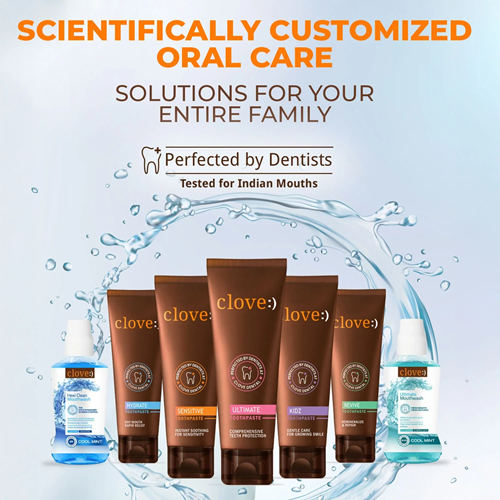
Products like Clove Revive are designed to support enamel strengthening while helping reduce sweet and sour sensitivity concerns.
People looking for long-term enamel protection may also benefit from exploring the best toothpaste for weak enamel.
Common Habits That Damage Tooth Enamel
Many people unknowingly weaken enamel through everyday habits.
Common enamel-damaging habits include:
-
excessive soda consumption
-
constant snacking
-
aggressive brushing
-
frequent sugar exposure
-
acidic beverages
-
poor oral hygiene
Avoiding these habits can help improve long-term oral health.
Foods and Drinks That Can Weaken Enamel
Certain foods may increase the risk of enamel erosion when consumed frequently.
Common triggers include:
-
carbonated drinks
-
sports beverages
-
citrus fruits
-
packaged juices
-
sugary snacks
-
sour candies
People with enamel sensitivity may notice stronger reactions to these foods.
How Long Does It Take to Improve Weak Enamel?
The timeline varies depending on:
-
oral habits
-
diet
-
enamel damage severity
-
oral care routine
Consistent enamel-supporting habits may gradually improve sensitivity and enamel protection over time.
Frequently Asked Questions
Can weak enamel become strong again?
Early enamel weakening may improve through remineralization support and proper oral care habits.
What is the best way to strengthen tooth enamel naturally?
Using enamel-supporting toothpaste, reducing acidic foods, and maintaining healthy oral habits can help support stronger enamel.
Does fluoride help strengthen enamel?
Fluoride can help support remineralization and improve enamel resistance against acid damage.
Can enamel erosion cause tooth sensitivity?
Yes. Weak enamel exposes sensitive inner tooth layers, increasing sensitivity to sweets, cold drinks, and acidic foods.
Which toothpaste is best for weak enamel?
People with weak enamel often prefer toothpaste designed for enamel strengthening and remineralization support.
Final Thoughts
Weak tooth enamel can increase tooth sensitivity, cavity risk, and long-term dental problems if ignored. Modern diets, sugar exposure, acidic foods, and unhealthy brushing habits all contribute to enamel erosion over time.
Fortunately, early enamel weakening can often be managed naturally through better oral care habits and enamel-supporting products.
For people experiencing sweet or sour sensitivity, using a scientifically formulated toothpaste for weak enamel may help support stronger teeth, healthier enamel, and better long-term oral protection.