



When most people talk about menopause, the conversation usually revolves around hot flashes, mood swings, weight fluctuations, or insomnia. However, there is a lesser-known yet deeply impactful symptom that affects millions of women during this transitional phase: chronic dry mouth.
If you are navigating perimenopause or menopause, you may have noticed a persistent feeling of dryness in your mouth, a scratchy throat, or an unquenchable thirst despite drinking plenty of water. In the medical world, this condition is known as Xerostomia. Dry mouth during menopause is far more than an uncomfortable inconvenience—it is a physiological shift that can significantly compromise your oral hygiene, tooth enamel, and overall quality of life.
In this comprehensive guide, we will explore the intricate link between menopause and dry mouth, dive into the crucial role of estrogen, identify the early warning signs, and outline actionable relief strategies to restore your oral moisture.
The Estrogen Hormone Connection: Why Menopause Causes Dry Mouth
To understand why dry mouth occurs during menopause, we must look closely at our body's endocrine system—specifically the hormone Estrogen.
Estrogen is a major female sex hormone responsible for regulating reproductive health. However, its functions extend far beyond the reproductive system. Estrogen plays a vital role in maintaining the health and hydration of mucous membranes throughout the body, including those lining the eyes, nasal passages, vaginal walls, and oral cavity.
How Estrogen Loss Triggers Xerostomia:
- Impact on Salivary Gland Receptors: The salivary glands in your mouth contain specific estrogen receptors. When estrogen levels drop significantly during perimenopause and menopause, these glands receive fewer biochemical signals to produce adequate amounts of saliva.
- Altered Saliva Composition: Estrogen deficiency does not just reduce the volume of saliva; it also alters its consistency. Instead of remaining thin, fluid, and protective, saliva becomes thick, sticky, and less effective at lubricating the mouth.
- Collagen Breakdown in Oral Tissues: Lower estrogen levels accelerate the degradation of collagen. This causes the mucous linings inside the cheeks, lips, and gums to become thinner, drier, more delicate, and easily irritated.
When natural saliva flow decreases by up to 50% during menopause, your mouth loses its primary natural defense system.
Early Signs and Symptoms: How to Identify Menopausal Dry Mouth
Menopausal dry mouth rarely happens overnight. It typically develops gradually, making it easy to overlook until complications arise. Here are the key early signs and symptoms to watch out for:
Persistent Sticky or Dry Sensation: A continuous feeling that your mouth is dry, parched, or filled with cotton-like residue.
- Frequent Nighttime Thirst: Waking up multiple times during the night with a severely dry mouth and throat, demanding immediate hydration.
- Difficulty Swallowing and Speaking: Struggling to chew, swallow dry foods, or speak for extended periods without sipping water, as saliva is required to moisten food and lubricate speech.
- Burning Mouth Syndrome (BMS): A tingling, scalding, or painful burning sensation on the tongue, gums, roof of the mouth, or inner cheeks.
- Cracked Lips and Sore Tongue: Chapped lips, painful cracks at the corners of the mouth (angular cheilitis), and a red, raw, or rough tongue.
- Persistent Bad Breath (Halitosis): Chronic bad breath that does not dissipate even after brushing, flossing, or using traditional mouthwashes.
- Altered Taste Perception: A noticeable change in how food tastes, often accompanied by a persistent metallic or bitter taste in the mouth.
The Silent Danger: Why Saliva Is Vital for Oral Health
Many women attempt to push through dry mouth, treating it as a mild discomfort. However, saliva is essential for protecting your teeth and gums. Ignoring chronic xerostomia can lead to severe dental issues.
Saliva serves three primary protective functions:
- Neutralizes Harmful Acids: Saliva buffers and neutralizes acids produced by dietary sugars and plaque bacteria, protecting your enamel from acid erosion.
- Washes Away Food Particles: It continuously rinses away leftover food debris and harmful micro-organisms.
- Remineralizes Enamel: Saliva is rich in essential minerals like Calcium and Phosphate, which actively repair and strengthen micro-damaged enamel.
Risks of Leaving Dry Mouth Untreated:
- Accelerated Tooth Decay & Cavities: Without saliva to clear bacteria, plaque builds up rapidly, tripling the risk of cavities along the gumline.
- Advanced Gum Disease: Dryness promotes inflammation, leading to bleeding gums, gingivitis, and eventually periodontitis (bone loss around teeth).
- Fungal & Oral Infections: A dry environment provides ideal conditions for yeast overgrowth, leading to painful conditions like oral thrush.
Effective Relief Options: How to Manage Menopausal Dry Mouth
The good news is that you do not have to suffer through menopausal dry mouth. By pairing smart lifestyle adjustments with specialized oral care products, you can effectively manage xerostomia and protect your smile.
1. Hydration and Lifestyle Adjustments
- Sip Water Continuously: Instead of chugging large amounts of water at once, carry a water bottle and take small, frequent sips throughout the day.
- Use a Cool-Mist Humidifier: Place a humidifier in your bedroom to maintain ambient humidity levels overnight, reducing waking up with a parched mouth.
- Limit Dehydrating Beverages: Reduce your intake of caffeine, alcohol, and sugary drinks, as these act as diuretics and further dehydrate oral tissues.
- Avoid Tobacco Products: Smoking and tobacco use constrict blood vessels and severely suppress salivary flow.
2. Dietary Modifications
- Chew Sugar-Free Xylitol Gum: Chewing stimulates the salivary glands, and xylitol helps prevent bacterial growth.
- Eat Moisture-Rich Foods: Incorporate hydrating foods such as cucumbers, melons, celery, broths, and yogurt into your everyday diet.
3. Upgrade to Specialized Hydrating Oral Care (The Ultimate Solution)
Standard commercial toothpastes often do more harm than good for dry mouth sufferers. Many contain harsh detergents like Sodium Lauryl Sulfate (SLS), excessive foaming agents, or artificial alcohol derivatives that strip away moisture and irritate tender oral tissues.
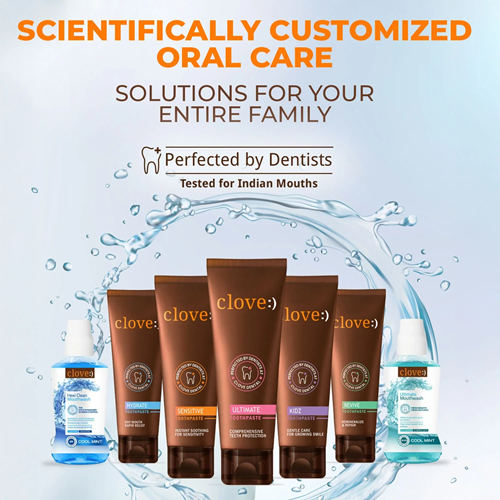
To combat hormonal dry mouth effectively, you need a scientifically formulated solution like Clove Hydrate Toothpaste.
Why Clove Hydrate Toothpaste Is Essential for Menopausal Dry Mouth:
Developed by top clinical dental experts to target the root cause of xerostomia, Clove Hydrate Toothpaste offers a specialized formula designed for long-lasting oral moisture and protection:
- Patented Optaflow® Technology: Formulated with advanced Optaflow technology, it actively stimulates natural salivary flow by up to 150%, creating a protective moisture-lock barrier across delicate oral tissues.
- Powered by Natural Xylitol: Xylitol stimulates salivary glands, stabilizes oral pH levels, and actively inhibits cavity-causing bacteria from adhering to teeth.
- Enamel Repair & Anti-Cavity Protection: Rich in essential bioactive minerals, it remineralizes weakened enamel and guards against the rapid tooth decay associated with dry mouth.
- Clean, Ultra-Gentle Formula: Free from SLS, parabens, peroxide, and artificial sugars, this gentle formula respects sensitive gums and keeps your mouth balanced and refreshed without any harsh sting.
Brushing twice daily with Clove Hydrate Toothpaste delivers immediate soothing relief, long-lasting hydration, and complete anti-cavity protection tailored for hormone-related dryness.
Daily Oral Care Routine for Lasting Comfort
To maximize your relief and protect your teeth during menopause, follow this simple daily routine:
- Morning Care: Start your day with a glass of water, followed by gentle brushing using Clove Hydrate Toothpaste.
- Post-Meal Care: Rinse your mouth thoroughly with clean water after eating to clear away debris without irritating dry tissues.
- Evening Care: Brush gently before bed with Clove Hydrate Toothpaste to activate its moisture-locking mechanism throughout the night.
- Professional Care: Schedule regular checkups with your dentist to monitor salivary flow and catch early signs of enamel wear or gum inflammation.
Conclusion: Reclaim Your Comfort and Confidence
Menopause is a natural transition, and the bodily changes that come with it are completely manageable. You do not have to settle for the discomfort, bad breath, or dental risks brought on by hormonal dry mouth.
By staying hydrated, making mindful dietary choices, and switching to targeted solutions like Clove Hydrate Toothpaste, you can restore essential moisture, safeguard your oral health, and smile with confidence throughout every stage of menopause.