


Dry mouth, clinically known as xerostomia, is one of the most underdiagnosed yet increasingly common oral‑health conditions in India. With lifestyle changes, medication use, urban pollution, dehydration, and stress at an all‑time high, more adults and even children are experiencing chronic dryness in the mouth. While dry mouth may appear minor, it significantly increases the risk of cavities, gum diseases, bad breath, and enamel erosion. This expert guide explains the causes, symptoms, treatment.
-What Is Dry Mouth?
Dry mouth occurs when the salivary glands do not produce enough saliva to keep the mouth lubricated. Saliva plays a crucial role in oral health—it neutralizes acids, washes away food particles, protects enamel, supports digestion, and prevents harmful bacterial growth. When saliva levels drop, the entire oral ecosystem becomes imbalanced.
- Common Causes of Dry Mouth in India.
Dry mouth has many triggers, and understanding them helps in managing the condition effectively. Some of the most common causes include:
1. Medications
More than 400 medications list dry mouth as a side effect, including:
- Antihistamines
- Antidepressants
- Blood‑pressure medications
- Asthma inhalers
2. Dehydration
Low water intake and high caffeine consumption are major contributors.
3. Mouth Breathing
Common in people with sinus issues, allergies, or sleep disorders.
4. Stress & Anxiety
Stress triggers cortisol spikes, which reduce saliva production.
5. Diabetes & Thyroid Disorders
Systemic conditions impact salivary gland function.
6. Smoking & Alcohol
Both constrict salivary glands and dry out the mouth.
7. Aging
Salivary flow naturally reduces with age.
-Symptoms of Dry Mouth
Dry mouth doesn't just mean “feeling thirsty.” It causes multiple visible symptoms:
- Constant dryness
- Thick, sticky saliva
- Cracked lips or mouth sores
- Bad breath (halitosis)
- Difficulty chewing or swallowing
- Burning sensation on the tongue
- Increased cavities or gum infections
- Changes in taste
Left untreated, it can even affect nutrition and sleep quality.
-Why Hydration Matters for Oral Health?
Saliva is the body’s natural defense system inside the mouth. It:
- Remineralizes enamel
- Washes away food debris
- Regulates pH
- Controls harmful bacteria
- Helps you taste food properly
A hydrated mouth is a healthy mouth. But hydration goes beyond just drinking water.
-Introducing Hydrating Toothpaste Solutions
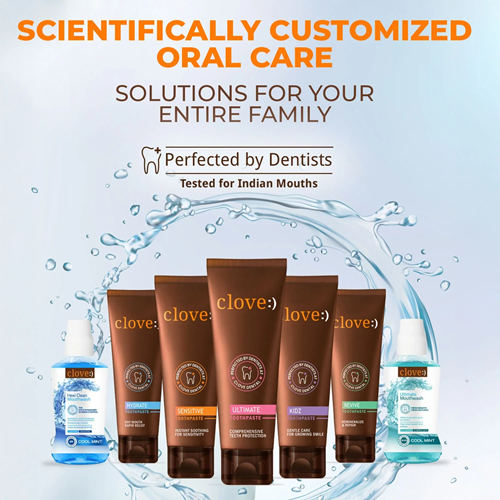
Traditional toothpastes focus on cleaning, whitening, or sensitivity, but very few address the specific needs of dry mouth. Hydrating toothpastes like Clove Hydrate Toothpaste are designed to restore moisture, balance oral pH, and support salivary glands.
Clove Hydrate includes:
- Moisture‑retaining humectants
- Gentle cleaning agents
- Enamel‑strengthening fluoride
- Ingredients that refresh without over‑drying the mouth
This makes it ideal for people experiencing chronic dryness.
-Daily Habits to Reduce Dry Mouth
1. Increase Water Intake
Sip small amounts throughout the day. Avoid gulping large quantities at once.
2. Use Hydrating Toothpaste
Products like Clove Hydrate help maintain moisture levels.
3. Avoid Alcohol‑Based Mouthwashes
They worsen dryness by stripping moisture.
4. Limit Caffeine & Sugary Drinks
Tea, coffee, energy drinks, and sodas accelerate dehydration.
5. Chew Sugar‑Free Gum
Stimulates saliva flow naturally.
6. Use a Humidifier at Night
Prevents moisture loss during sleep.
7. Eat Water‑Rich Foods
Cucumbers, melons, oranges, and celery support hydration.
8. Breathe Through the Nose
Correct mouth breathing with ENT or sleep‑related interventions.
-Natural Remedies for Dry Mouth
Natural solutions provide relief when used along with proper oral‑care routines:
- Aloe vera juice (unsweetened)
- Warm salt‑water rinses
- Vitamin C–rich fruits
- Coconut oil pulling
- Fennel seeds or sugar‑free mints
- Herbal teas like chamomile
These boost saliva flow and soothe oral tissues.
-When to See a Dentist?
If dry mouth persists for more than a week or worsens, consult a dentist. Persistent dryness can indicate:
- Diabetes
- Autoimmune disorders
- Salivary‑gland blockages
- Vitamin deficiencies
- Oral infections
Dentists may recommend fluoride treatments, medicated gels, custom night guards, or professional cleaning to reverse damage caused by dryness.
-The Role of Clove Hydrate Toothpaste in Managing Dry Mouth.
Clove Hydrate Toothpaste is designed specifically to help restore moisture and support enamel in dry‑mouth patients. It:
- Hydrates oral tissues
- Strengthens enamel
- Reduces sensitivity
- Supports balanced oral pH
- Provides long‑lasting freshness
- Uses clinically safe, dentist‑approved ingredients
Its formulation is ideal for daily use and helps prevent complications like cavities and gum infections.
-Daily Routine for Managing Dry Mouth
Morning
- Use a good Ultrasoft Brush with hydrating toothpaste
- Drink water before tea or coffee
- Avoid acidic breakfast items
Afternoon
- Stay hydrated
- Avoid sugary snacks
- Use sugar‑free gum to stimulate saliva
Night
- Brush gently with good ultrasoft toothbrush
- Rinse with alcohol‑free mouthwash
- Use a humidifier if needed
- Avoid caffeinated drinks
This balanced routine improves saliva flow and overall oral comfort.
-Final Thoughts: Dry Mouth Is Manageable with the Right Care
Dry mouth may feel uncomfortable, but it’s entirely manageable with the right habits, lifestyle changes, and dentist‑backed products. With rising dehydration and lifestyle stress in India, solutions like Clove Hydrate Toothpaste, combined with hydration and good oral hygiene, can significantly improve comfort, prevent cavities, and restore oral wellness.
If you’ve been waking up with a dry mouth, struggling with sticky saliva, or feeling constantly thirsty, this is the right time to take action. Dry mouth is more than a discomfort — it’s a signal your oral ecosystem needs care. With consistent effort, you can restore moisture, strengthen your enamel, and regain complete oral comfort.