


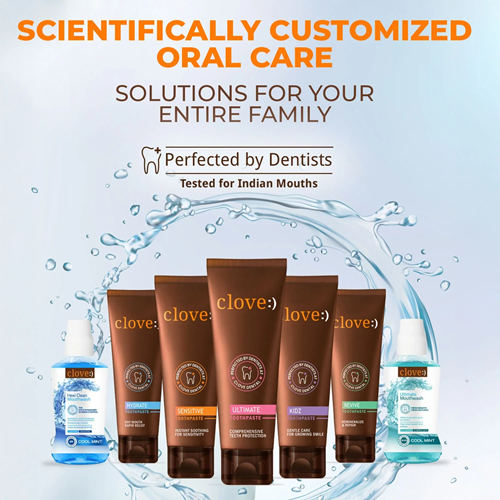
Toothpaste is one of the most essential products in daily oral hygiene. It removes food debris and plaque, protects against cavities, strengthens enamel, prevents gum disease, freshens breath, and improves overall dental health. With so many types, ingredients, and formulations available today, understanding toothpaste helps you choose the right one for your specific oral-care needs.
🧪 What Does Toothpaste Actually Do?
Toothpaste helps maintain oral health by:
- Removing plaque and surface stains
- Strengthening tooth enamel
- Preventing cavities
- Protecting gums and reducing inflammation
- Controlling bad breath
- Balancing pH in the mouth
Modern toothpaste is more advanced than ever, designed for specific concerns like sensitivity, whitening, enamel repair, bleeding gums, or children’s oral health.
🦷 Key Toothpaste Ingredients & Their Purpose
- Fluoride – remineralizes enamel & prevents cavities
- Potassium nitrate – reduces tooth sensitivity
- Mild abrasives – remove stains & polish enamel
- Antibacterial agents – control gum bacteria & plaque
- Foaming agents – improve distribution & cleaning
- Flavoring – improves taste and breath freshness
- Humectants – keep paste moist
Premium toothpaste brands focus on low-abrasion, enamel-safe, and gum-safe formulations.
🏆 Types of Toothpaste & What They’re Used For
1️⃣ Sensitivity Toothpaste
Designed for individuals with exposed dentin or enamel erosion.
2️⃣ Whitening Toothpaste
Targets surface stains from tea, coffee, tobacco, or food pigments using mild abrasives.
3️⃣ Gum Care Toothpaste
Helps reduce inflammation, bleeding, and plaque around the gum line.
4️⃣ Kids’ Toothpaste
Formulated with milder ingredients, low-foam, and child-friendly flavors.
5️⃣ Herbal & Natural Toothpaste
Often free from harsh chemicals; mild and gentle for daily use.
🚫 Common Toothpaste Myths
- Hard toothbrush + strong toothpaste = cleaner teeth (false)
- More foam = better cleaning (false)
- Whitening pastes always damage enamel (not true if low-abrasive)
- You must rinse immediately after brushing (ideally, don’t)
🦷 Choosing the Right Toothpaste
Select based on your primary needs:
- For sensitivity → potassium nitrate toothpaste
- For bleeding gums → gum-care or low-abrasion paste
- For yellow teeth → enamel-safe whitening toothpaste
- For kids → age-appropriate fluoride & flavor
- Evaluating ingredients matters more than brand marketing.
✔️ How to Use Toothpaste for Maximum Benefits
- Use a pea-sized amount
- Brush twice daily for two minutes
- Use a soft or ultra-soft toothbrush
- Do not rinse immediately after brushing
- Replace brush every 3 months
📈 Toothpaste Market Trends (2025)
- Growing demand for sensitivity & gum-care pastes
- Shift toward low-abrasion formulations
- Rising awareness of enamel protection
- Consumer move toward clean-label ingredients
Specialized toothpaste is replacing “one size fits all.”
🎯 Final Overview
Toothpaste plays a vital role in oral health by cleaning teeth, strengthening enamel, reducing bacteria, and preventing gum disease. With diverse types available, choosing the right toothpaste depends on individual needs — whether it’s sensitivity relief, whitening, gum protection, or safe brushing for children.
Understanding toothpaste empowers smarter oral-care decisions and supports long-term dental health.