


Your tooth enamel is one of the strongest substances in the human body, but it is not indestructible. Every day, your teeth face attacks from acidic foods, sugary drinks, bacteria, and unhealthy oral habits that slowly weaken enamel over time. Once enamel starts wearing away, teeth can become sensitive, weak, yellow, and more vulnerable to cavities.
Many people ignore the early signs of enamel erosion until they begin experiencing sharp pain while eating sweets, drinking cold beverages, or consuming sour foods. By the time sensitivity appears, enamel damage may already have started.
In this guide, we’ll explain what tooth enamel erosion is, what causes it, early warning signs, and how you can protect your teeth before the damage becomes severe.
What Is Tooth Enamel?
Tooth enamel is the hard outer protective layer of your teeth. It acts like a shield that protects the softer inner layers from:
- Acid attacks
- Sugar damage
- Bacteria
- Temperature sensitivity
- Daily wear and tear
Healthy enamel keeps your teeth strong, smooth, and naturally white. However, unlike other parts of the body, enamel cannot regenerate naturally once it is badly damaged.
That is why protecting and strengthening enamel is extremely important for long-term oral health.
What Causes Tooth Enamel Erosion?
Enamel erosion happens when acids gradually dissolve minerals from the tooth surface. This process is also called demineralization. Over time, weakened enamel can lead to sensitivity, discoloration, and tooth decay.
Below are the most common causes of tooth enamel erosion.
1. Acidic Foods and Drinks
One of the biggest causes of enamel erosion is frequent consumption of acidic foods and beverages.
Common acidic items include:
- Soft drinks
- Energy drinks
- Citrus fruits
- Lemon water
- Vinegar-based foods
- Sports drinks
- Packaged juices
Acids soften the enamel surface and make teeth more vulnerable to damage. When acidic foods are consumed regularly, enamel slowly becomes thinner.
People who frequently drink soda or flavored sparkling beverages often experience faster enamel wear and increased tooth sensitivity.
2. Excess Sugar Consumption
Sugary foods feed harmful bacteria inside the mouth. These bacteria produce acids that attack enamel and weaken teeth.
High-sugar foods include:
- Candy
- Chocolates
- Sticky sweets
- Cakes
- Sweet beverages
- Processed snacks
Repeated sugar exposure increases acid attacks throughout the day, making enamel erosion worse over time.
3. Aggressive Brushing Habits
Brushing too hard may feel like better cleaning, but it can actually damage your enamel.
Using:
- Hard-bristle toothbrushes
- Excessive pressure
- Abrasive toothpaste
can gradually wear away the protective enamel layer.
People who scrub their teeth aggressively often develop:
- Tooth sensitivity
- Gum recession
- Rough enamel surfaces
Gentle brushing with a soft-bristle toothbrush is much safer for enamel protection.
4. Teeth Grinding (Bruxism)
Grinding or clenching teeth creates excessive pressure on enamel. Over time, this friction wears down the outer layer of the teeth.
Signs of grinding include:
- Jaw pain
- Morning headaches
- Flattened teeth
- Increased sensitivity
Many people grind their teeth during sleep without realizing it.
5. Frequent Snacking
Constant snacking exposes teeth to repeated acid attacks throughout the day.
Every time you eat:
- sugars
- starches
- acidic foods
mouth bacteria produce acids for nearly 20–30 minutes afterward.
Frequent snacking reduces the time enamel has to recover naturally.
6. Acid Reflux and Medical Conditions
Certain health conditions can also damage enamel.
Acid reflux (GERD) causes stomach acids to move back into the mouth, where they attack tooth enamel directly.
Other conditions linked to enamel erosion include:
- Dry mouth
- Eating disorders
- Chronic vomiting
- Low saliva production
Saliva is important because it helps neutralize acids and support remineralization.
7. Low Saliva Production
Saliva plays a major role in protecting enamel. It helps:
- wash away bacteria
- neutralize acids
- restore minerals
When saliva production decreases, the mouth becomes more acidic, increasing enamel erosion risk.
Common causes of dry mouth include:
- dehydration
- medications
- smoking
- stress
- certain medical conditions
Early Signs of Tooth Enamel Erosion
Enamel damage often starts slowly, making it easy to miss in the beginning.
Here are some common warning signs.
1. Sweet Sensitivity
If your teeth hurt while eating sweets, it may indicate weakened enamel exposing sensitive inner layers.
Sweet sensitivity is one of the earliest signs of enamel damage.
2. Sour Sensitivity
Pain while eating citrus fruits or sour foods can also suggest enamel erosion.
Acids penetrate weakened enamel more easily, triggering discomfort.
3. Hot and Cold Sensitivity
Sharp pain while drinking:
- cold water
- ice cream
- tea
- coffee
may occur when enamel becomes thinner.
4. Yellow Teeth Appearance
As enamel wears down, the yellowish dentin underneath becomes more visible.
This can make teeth appear darker or more yellow over time.
5. Rough or Transparent Teeth
Damaged enamel may cause teeth to:
- feel rough
- appear chipped
- look slightly transparent at the edges
Why Enamel Protection Is Important
Weak enamel can increase the risk of:
- Tooth decay
- Cavities
- Severe sensitivity
- Tooth fractures
- Discoloration
- Gum problems
Since enamel cannot fully regenerate naturally, early protection is extremely important.
How to Protect Your Tooth Enamel
The good news is that you can slow down enamel erosion and strengthen weakened teeth with the right oral care habits.
1. Use a Remineralizing Toothpaste
Using the right toothpaste is one of the best ways to support enamel protection.
A remineralizing toothpaste helps restore essential minerals to weakened enamel while reducing sensitivity.
Products formulated for:
- enamel strengthening
- sweet sensitivity
- acid protection
can support healthier teeth over time.
2. Limit Acidic Drinks
Reduce frequent consumption of:
- soda
- packaged juices
- energy drinks
If you consume acidic beverages:
- use a straw
- rinse with water afterward
- avoid brushing immediately
3. Brush Gently
Always use:
- soft-bristle toothbrush
- gentle circular motions
Avoid aggressive scrubbing.
4. Avoid Frequent Snacking
Give your teeth time to recover between meals.
Instead of constant snacking, maintain proper meal spacing whenever possible.
5. Stay Hydrated
Drinking enough water helps maintain healthy saliva production, which naturally protects enamel.
6. Avoid Brushing Immediately After Acidic Foods
After acidic meals, enamel temporarily becomes softer.
Wait at least 30 minutes before brushing to avoid damaging the surface further.
Best Toothpaste for Enamel Repair & Sweet Sensitivity
People experiencing:
- sweet sensitivity
- sour sensitivity
- weak enamel
- acid erosion
should choose toothpaste designed specifically for enamel strengthening and remineralization.
Advanced enamel repair formulations can help:
- protect weakened enamel
- support mineral restoration
- reduce sensitivity triggers
- improve long-term oral protection
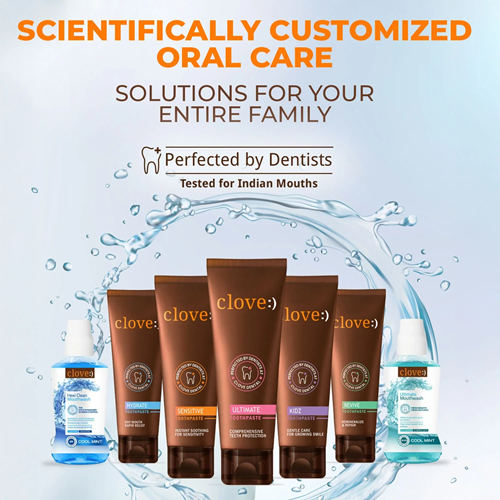
For individuals dealing with enamel weakness and sensitivity, products like Clove Revive Toothpaste are formulated to support enamel strengthening while helping reduce sweet and sour sensitivity in daily oral care.
Can Enamel Be Repaired Naturally?
Severely damaged enamel cannot completely regrow naturally. However, early-stage enamel weakening can often be improved through remineralization.
Remineralization helps restore minerals like calcium and fluoride back into weakened enamel areas.
This process can help:
- strengthen teeth
- reduce sensitivity
- slow further erosion
When Should You See a Dentist?
You should consult a dentist if you experience:
- Persistent tooth sensitivity
- Tooth pain while eating sweets
- Visible enamel wear
- Chipping
- Discoloration
- Frequent cavities
Early treatment can help prevent severe enamel damage.
Final Thoughts
Tooth enamel erosion is becoming increasingly common due to modern diets, acidic beverages, sugar consumption, and unhealthy oral habits. While enamel damage can develop slowly, the long-term effects may lead to severe sensitivity and weakened teeth if ignored.
Understanding the causes of enamel erosion is the first step toward protecting your smile. By improving daily habits, limiting acid exposure, and using enamel-strengthening oral care products, you can support healthier teeth and reduce future damage.
If you are experiencing sweet or sour sensitivity, taking early action can make a major difference in maintaining strong, protected enamel for the long term.
Struggling with sweet or sour sensitivity?
Using the right enamel repair toothpaste can help support stronger teeth and daily enamel protection.