


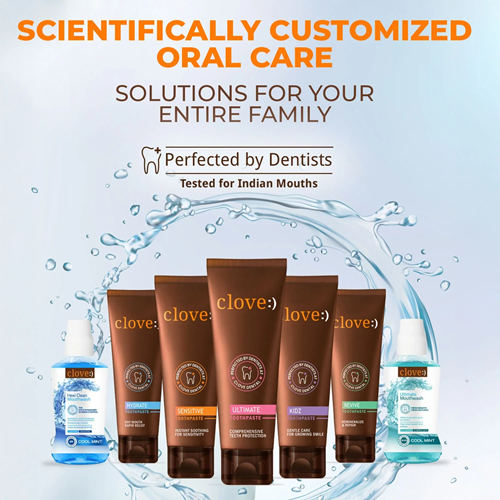
One of the most commonly asked oral-care questions is: How often should you change your toothbrush? Surprisingly, most people continue using the same toothbrush far beyond its safe lifespan. This reduces cleaning effectiveness, increases bacterial exposure, and raises the risk of cavities and gum disease.
In this guide, we’ll explain the ideal toothbrush replacement schedule, the warning signs you must not ignore, and why switching to an ultra-soft toothbrush like Clove UltraSoft can significantly improve daily oral health.
✅ What to expect in a Toothbrush?
Dentists recommend changing your toothbrush:
- Every 3 months (90 days) under normal use
- Immediately after illness (cold, fever, flu, infection)
- Earlier if bristles become bent or frayed
After 3 months, toothbrush bristles lose flexibility and cleaning power, while bacteria begin accumulating deep inside the brush head.
🚨 Signs You Must Change Your Toothbrush Immediately
- Bristles are spreading outward or flattened
- Your gums feel sore after brushing
- Teeth don’t feel clean after brushing
- Visible discoloration on bristles
- You recently recovered from sickness
If you see even one of these signs, replace your toothbrush immediately—even if 3 months haven’t passed.
❌ What Happens If You Don’t Change Your Toothbrush on Time?
- Poor plaque removal
- Increased cavity risk
- Gum inflammation and bleeding
- Spread of bacteria back into the mouth
- Persistent bad breath
Old toothbrushes don’t clean—they only move bacteria around your mouth.
✅ Why Soft & Ultra-Soft Toothbrushes Are Best for Daily Use
Many people think hard brushes clean better—but this is a dangerous myth. Soft and ultra-soft toothbrushes are recommended by dentists because they:
- Clean plaque gently without scratching enamel
- Protect sensitive gums
- Prevent gum recession
- Reduce brushing-related sensitivity
That’s why dentists often suggest switching to an ultra-soft toothbrush like Clove UltraSoft for safe everyday brushing.
🏆 Why Clove UltraSoft Toothbrush Is Ideal for Daily Brushing
The Clove UltraSoft Toothbrush is designed for people who prioritize gum safety and enamel protection without compromising on plaque removal.
- Ultra-soft bristles for gentle yet deep cleaning
- Protects weak enamel from abrasion
- Reduces gum bleeding and inflammation
- Perfect for people with sensitive teeth and gums
- Ideal companion with whitening & sensitivity toothpaste
Best For: Daily brushing, post-dental treatments, orthodontic users, and people prone to bleeding gums.
✅ How Often Should You Change an Electric Toothbrush Head?
- Every 3 months
- Immediately after illness
- Earlier if bristles lose shape
The same hygiene rules apply to both manual and electric toothbrush heads.
🧒 How Often Should Kids Change Their Toothbrush?
- Every 2–3 months
- After illness
- As soon as bristles bend
Kids wear out brushes faster due to harder brushing and chewing habits.
🦷 Best Daily Brushing Routine for Healthy Teeth
- Brush twice daily for 2 minutes
- Use an ultra-soft toothbrush
- Use pea-sized amount of toothpaste
- Avoid rinsing immediately after brushing
- Floss once daily
❓ Frequently Asked Questions (High-Ranking SEO Section)
Is it okay to use the same toothbrush for 6 months?
No. After 3 months, bristles lose effectiveness and bacteria buildup increases dramatically.
Should I change my toothbrush after fever?
Yes. Always replace your toothbrush after illness to prevent reinfection.
Is a soft toothbrush better than a hard one?
Yes. Soft and ultra-soft bristles clean just as effectively while being far safer for enamel and gums.
Does toothbrush quality really make a difference?
Absolutely. A well-designed brush like the Clove UltraSoft Toothbrush ensures better plaque removal with less damage.
🎯 Final Answer: How Often Should You Change Your Toothbrush?
You should change your toothbrush every 3 months—or sooner if bristles fray or after illness. Using an ultra-soft, enamel-safe brush like Clove UltraSoft Toothbrush ensures safer daily brushing, healthier gums, and long-term oral protection.
A fresh toothbrush is one of the simplest upgrades you can make for a healthier smile.