



Have you noticed your teeth looking dull or stained despite brushing every day? You're not alone. Tea, coffee, red sauces, turmeric-rich foods, and other everyday habits can gradually make teeth appear yellow over time.
As a result, many people turn to whitening products in search of a brighter smile. Two of the most popular options are whitening toothpaste and charcoal toothpaste. While both claim to remove stains and improve tooth color, they work in very different ways.
So, which one is actually better for your teeth?
Let's break down the facts.
Why Do Teeth Become Yellow?
Before comparing whitening toothpaste and charcoal toothpaste, it's important to understand why teeth lose their brightness.
Common causes include:
-
Tea and coffee consumption
-
Tobacco use
-
Colored foods and beverages
-
Plaque buildup
-
Aging
-
Poor oral hygiene habits
-
Enamel wear
If you've ever wondered why your teeth remain yellow despite brushing regularly, read our guide on Why Teeth Turn Yellow Even After Brushing.
What Is Whitening Toothpaste?
Whitening toothpaste is specifically designed to help remove surface stains caused by daily eating and drinking habits. Most whitening toothpastes use gentle polishing ingredients and stain-removal technology to gradually restore the natural appearance of teeth.
Modern whitening formulas are developed to balance effective stain removal with everyday oral care needs.
Benefits of Whitening Toothpaste
-
Helps remove tea and coffee stains
-
Suitable for daily use
-
Supports a brighter smile
-
Helps maintain fresh breath
-
Easy to incorporate into your daily routine
-
Designed to support overall oral hygiene
Many dentist-designed whitening toothpastes also include advanced freshness technologies that help control bad breath while keeping teeth cleaner and brighter.
What Is Charcoal Toothpaste?
Charcoal toothpaste contains activated charcoal, a fine black powder marketed as a natural whitening ingredient.
The idea behind charcoal toothpaste is that charcoal particles may help lift stains from the tooth surface. This has made charcoal products popular among consumers looking for quick whitening solutions.
However, charcoal toothpaste primarily relies on physical abrasion to remove stains rather than actively whitening teeth.
Common Claims of Charcoal Toothpaste
-
Natural whitening
-
Deep cleaning
-
Stain removal
-
Detoxifying effect
While these claims sound appealing, it's important to understand how charcoal affects enamel before making it part of your daily routine.
Whitening Toothpaste vs Charcoal Toothpaste
1. Stain Removal Performance
Both whitening toothpaste and charcoal toothpaste can help remove surface stains.
However, whitening toothpaste is specifically formulated for consistent stain management, making it more practical for long-term use.
If coffee is your biggest concern, check out our guide on How To Remove Coffee Stains From Teeth.
2. Daily Use
Whitening toothpaste is generally intended for everyday brushing as part of a regular oral care routine.
Charcoal toothpaste, depending on its formulation, may be too abrasive for frequent use and should be used with caution.
3. Enamel Protection
Enamel is the protective outer layer of your teeth.
Because some charcoal toothpastes contain highly abrasive particles, excessive use may contribute to enamel wear over time.
Whitening toothpastes developed by dental experts are often designed to balance stain removal with enamel care.
Learn more in our Enamel-Safe Teeth Whitening Guide.
4. Fresh Breath Benefits
Many whitening toothpastes include ingredients that help freshen breath while cleaning teeth.
Charcoal toothpaste focuses primarily on cleaning and stain removal, with fresh breath benefits varying between products.
5. Long-Term Oral Care
For most people, consistency matters more than aggressive whitening.
A whitening toothpaste that fits comfortably into your daily brushing routine is often easier to maintain than occasional whitening treatments or abrasive alternatives.
Which Is Better for Tea and Coffee Drinkers?
Tea and coffee are among the most common causes of tooth staining.
If you regularly consume these beverages, a quality whitening toothpaste can help reduce stain buildup while supporting daily oral hygiene.
Because staining is an ongoing process, regular maintenance is often more effective than occasional aggressive cleaning methods.
Choosing the Right Whitening Toothpaste
Not all whitening toothpastes are created equal.
When selecting a whitening toothpaste, look for:
-
Daily-use formulation
-
Gentle stain removal technology
-
Fresh breath support
-
Dentist-designed formula
-
Enamel-conscious ingredients
For expert recommendations, read Best Whitening Toothpaste in India for Daily Use.
Why Many People Prefer Whitening Toothpaste
A quality whitening toothpaste offers several advantages:
-
Convenient daily use
-
Effective surface stain control
-
Better compatibility with long-term oral care habits
-
Fresh breath support
-
Suitable for tea and coffee drinkers
-
Helps maintain a naturally brighter smile
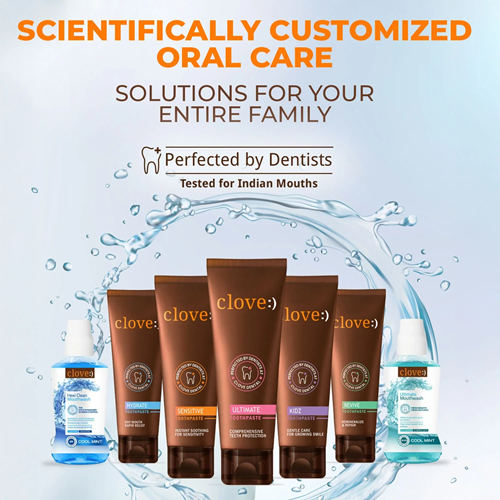
Products like Clove White Toothpaste are scientifically customized for Indian mouths and designed to help manage everyday stains while supporting oral freshness.
Final Verdict
When comparing whitening toothpaste vs charcoal toothpaste, both can help improve the appearance of stained teeth. However, they achieve this in different ways.
Charcoal toothpaste may appeal to people looking for a natural whitening trend, but concerns around abrasiveness make it less suitable as a long-term solution for many users.
Whitening toothpaste, on the other hand, offers a more balanced approach by helping manage daily stains while supporting overall oral hygiene.
If your goal is a brighter smile, fresher breath, and a whitening routine you can comfortably follow every day, a dentist-designed whitening toothpaste is often the more practical choice.
Remember: the best whitening results come not only from removing stains but also from protecting the enamel that keeps your smile healthy.