


Drinking cold water should be refreshing — not painful. If you feel a sharp, sudden pain in your teeth when sipping cold water, it’s a clear sign of tooth sensitivity, a common dental issue affecting millions of people in India.
This article explains why your teeth hurt when exposed to cold, what causes it, how to treat it, and how to prevent it long-term.
🦷 What Causes Tooth Pain When Drinking Cold Water?
Tooth pain from cold water happens when the inner layer of the tooth (dentin) becomes exposed. Dentin contains tiny tubules that connect directly to the tooth’s nerve. When cold liquid enters these tubules, it triggers nerve pain.
Common Causes Include:
-
Enamel erosion from acidic foods and drinks
-
Gum recession exposing the tooth root
-
Aggressive brushing or using hard-bristle toothbrushes
-
Frequent whitening treatments
-
Cavities or tooth decay
-
Cracked or chipped teeth
-
Plaque buildup near the gum line
Once enamel wears down, even mild cold water can cause discomfort.
❄️ Why Is Cold Water Pain So Sharp and Instant?
Cold temperatures cause fluid inside dentinal tubules to move rapidly. This sudden movement stimulates the nerve endings, resulting in a sharp, electric-like pain that usually fades quickly once the stimulus is removed.
If the pain:
-
lasts only a few seconds → sensitivity
-
lingers or throbs → possible cavity or nerve issue
🛡️ How to Treat Tooth Sensitivity from Cold Water
1️⃣ Switch to a Sensitivity Toothpaste
Using the right toothpaste is the most effective first step.
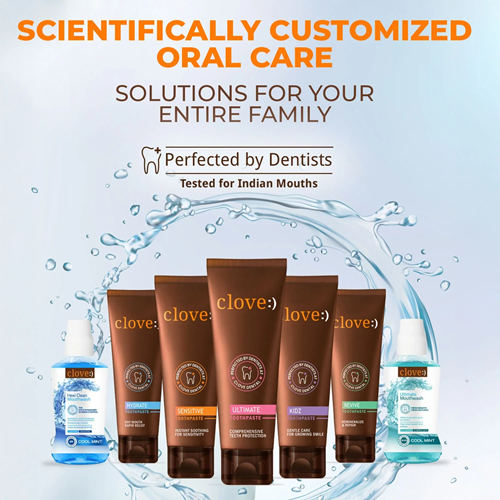
Clove Sensitive Toothpaste is specially formulated to provide instant relief and long-term protection by targeting the root cause of sensitivity.
Why Clove Sensitive Toothpaste Helps:
-
Potassium nitrate calms nerve signals
-
Fluoride strengthens weakened enamel
-
Low-abrasive formula prevents further enamel damage
-
Gentle on gums and safe for daily use
🔗 Product link:
👉 https://cloveoralcare.com/products/clove-sensitive-toothpaste
2️⃣ Use a Soft or Ultra-Soft Toothbrush
Hard brushing can worsen enamel wear and gum recession. Always use a soft or ultra-soft brush and gentle circular motions.
3️⃣ Avoid Acidic Foods & Drinks
Limit citrus fruits, sodas, vinegar, and sports drinks. Rinse your mouth with water after consuming acidic foods.
4️⃣ Do Not Rinse Immediately After Brushing
Leaving a thin layer of sensitivity toothpaste on your teeth helps desensitizing agents work longer.
⏱️ How Long Does Sensitivity Treatment Take to Work?
-
Immediate relief: within a few uses
-
Noticeable improvement: 5–7 days
-
Long-term comfort: 2–4 weeks with consistent use
Consistency matters more than intensity.