


Many people experience sudden tooth pain or discomfort after eating sweets like chocolates, candies, cakes, or sugary desserts. This sharp sensation can feel mild at first, but over time it may become more frequent and uncomfortable. If your teeth hurt after eating sweet foods, it could be a sign that your tooth enamel is weakening or your teeth are becoming more sensitive.
Sweet sensitivity is one of the most common early warning signs of enamel damage. While many people ignore it initially, repeated discomfort after eating sugary foods may indicate that your teeth need better protection and enamel support.
In this guide, we’ll explain why sweet foods hurt teeth, what causes sweet sensitivity, how enamel damage affects oral health, and the best ways to protect your teeth from future sensitivity.
Why Do Sweet Foods Hurt Teeth?
To understand why sweets trigger tooth pain, it’s important to understand how tooth sensitivity works.
Your teeth are protected by a hard outer layer called enamel. Beneath the enamel lies dentin, which contains microscopic tubules connected to the nerves inside the tooth.
When enamel becomes weak or damaged, sugary substances can irritate these sensitive areas more easily, leading to discomfort or sharp pain.
People experiencing sweet sensitivity may notice pain while eating:
-
Chocolate
-
Candy
-
Ice cream
-
Cakes
-
Sweet beverages
-
Sugary snacks
This discomfort often indicates that your enamel protection may already be compromised.
To better understand the root causes behind enamel damage, read our guide on what causes tooth enamel erosion.
What Causes Sweet Sensitivity in Teeth?
There are several reasons why sweet foods can trigger tooth pain.
1. Weak Tooth Enamel
One of the biggest causes of sweet sensitivity is weakened enamel.
Enamel protects the inner layers of your teeth from:
-
sugars
-
acids
-
bacteria
-
temperature changes
When enamel starts wearing away, sugary foods can directly affect the sensitive dentin underneath.
Common causes of enamel weakening include:
-
acidic foods
-
soft drinks
-
excessive sugar
-
aggressive brushing
-
poor oral hygiene
People experiencing acid erosion and enamel damage may become more sensitive to sweets over time.
2. Tooth Decay and Cavities
Cavities create small openings in the teeth that expose sensitive areas to sugar and bacteria.
When sweet foods enter these damaged areas, they can trigger:
-
sharp pain
-
irritation
-
lingering sensitivity
Untreated cavities can worsen over time and lead to severe tooth pain.
3. Gum Recession
Receding gums expose the tooth roots, which are naturally more sensitive than enamel-covered surfaces.
As gum recession increases, sugary foods may irritate exposed areas more easily.
4. Frequent Sugar Consumption
Eating sugary foods repeatedly throughout the day increases acid production inside the mouth.
Mouth bacteria feed on sugar and release acids that gradually weaken enamel.
This cycle can:
-
damage enamel
-
increase sensitivity
-
raise cavity risk
5. Teeth Grinding
Grinding or clenching teeth can wear down enamel and expose sensitive inner layers.
Over time, weakened enamel may become more reactive to sweets and acidic foods.
Early Signs Your Teeth May Be Sensitive to Sugar
Sweet sensitivity often develops gradually.
Some common warning signs include:
-
Pain after eating chocolates or candy
-
Sensitivity while drinking sweet beverages
-
Discomfort after desserts
-
Sudden sharp tooth pain
-
Sensitivity near the gum line
Many people experiencing sugar sensitivity may also notice why teeth hurt when drinking cold water because weakened enamel can increase multiple types of sensitivity.
How Sugar Affects Tooth Enamel
Sugar itself does not directly damage teeth. The problem occurs when oral bacteria consume sugar and produce acids.
These acids attack tooth enamel through a process called demineralization.
Over time:
-
minerals are lost
-
enamel weakens
-
sensitivity increases
-
cavities may develop
Without proper enamel protection, teeth become more vulnerable to pain and decay.
Can Sweet Sensitivity Be a Sign of Enamel Erosion?
Yes. Sweet sensitivity is often one of the earliest signs of enamel erosion.
As enamel becomes thinner:
-
dentin becomes exposed
-
nerves become more reactive
-
sugary foods trigger discomfort more easily
People who regularly consume:
-
soft drinks
-
citrus fruits
-
energy drinks
-
sugary snacks
may have a higher risk of enamel erosion and sweet sensitivity.
Why Sweet Sensitivity Should Not Be Ignored
Ignoring tooth sensitivity can lead to worsening enamel damage over time.
Untreated enamel erosion may increase the risk of:
-
cavities
-
tooth fractures
-
severe sensitivity
-
discoloration
-
long-term dental issues
Taking early action is important for protecting your oral health.
How to Reduce Sweet Sensitivity Naturally
Fortunately, there are several ways to reduce sweet sensitivity and strengthen weak enamel.
1. Use an Enamel-Strengthening Toothpaste
Choosing the right toothpaste is one of the most important steps for protecting sensitive teeth.
A good enamel repair toothpaste can help support remineralization while reducing sweet and sour sensitivity.
Advanced enamel-strengthening formulations may help:
-
protect weak enamel
-
reduce sensitivity triggers
-
improve long-term oral protection
2. Limit Sugary Snacks
Reducing frequent sugar exposure can help lower acid attacks inside the mouth.
Try to:
-
avoid constant snacking
-
reduce sugary beverages
-
rinse with water after sweets
3. Avoid Acidic Foods and Drinks
Acidic foods can weaken enamel and increase sensitivity to sugar.
Limit:
-
soda
-
lemon water
-
energy drinks
-
citrus juices
4. Brush Gently
Aggressive brushing may wear down enamel further.
Always use:
-
a soft-bristle toothbrush
-
gentle circular motions
5. Stay Hydrated
Saliva helps protect enamel by neutralizing acids and washing away bacteria.
Proper hydration supports healthier oral conditions.
Best Toothpaste for Sweet & Sour Sensitivity
People experiencing sweet sensitivity often benefit from oral care products designed for enamel strengthening and remineralization.
A scientifically formulated remineralizing toothpaste may help support:
-
enamel protection
-
sensitivity relief
-
stronger teeth
-
long-term oral care
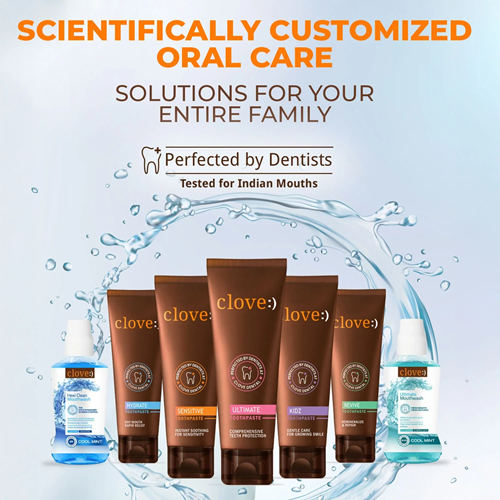
Products like Clove Revive are formulated to help support weakened enamel while addressing sweet and sour sensitivity concerns.
Foods That Commonly Trigger Sweet Sensitivity
Some foods may trigger tooth discomfort more easily than others.
Common triggers include:
-
candies
-
chocolates
-
caramel
-
sugary desserts
-
sweetened beverages
-
sticky sweets
People with weak enamel may notice stronger reactions to these foods.
How to Prevent Future Enamel Damage
Preventing enamel damage requires consistent oral care habits.
Important steps include:
-
brushing twice daily
-
limiting acidic foods
-
reducing sugar intake
-
using enamel-supporting toothpaste
-
visiting a dentist regularly
If you are noticing multiple signs of enamel weakness, you may also benefit from learning about signs of weak tooth enamel.
Frequently Asked Questions
Why do my teeth hurt when I eat sweets?
Sweet foods can irritate sensitive inner layers of the teeth when enamel becomes weak or damaged.
Can sugar damage tooth enamel?
Sugar feeds harmful mouth bacteria that produce acids capable of weakening enamel over time.
Is sweet sensitivity permanent?
Not always. Early enamel weakening may improve with proper oral care and enamel-supporting toothpaste.
Which toothpaste is best for sweet sensitivity?
People with sweet sensitivity often prefer using toothpaste designed for enamel strengthening and remineralization support.
Can enamel erosion cause sensitivity to sweets?
Yes. Enamel erosion exposes sensitive inner tooth layers, making teeth more reactive to sugar and acidic foods.
Final Thoughts
Sweet sensitivity is often an early warning sign that your enamel may need better protection. While occasional discomfort may seem minor at first, repeated pain after eating sugary foods should not be ignored.
Weak enamel, cavities, acid erosion, and poor oral habits can all contribute to tooth sensitivity over time. Fortunately, improving your oral care routine and using enamel-supporting products can help reduce sensitivity and strengthen teeth.
For individuals experiencing sweet or sour sensitivity, using a scientifically formulated toothpaste for sweet sensitivity may help support healthier enamel and long-term oral protection.