


Many people experience sudden tooth pain while eating ice cream or drinking cold water. This sharp discomfort may last only a few seconds, but it often indicates an underlying oral health problem that should not be ignored.
Tooth sensitivity is becoming increasingly common due to modern eating habits, acidic foods, enamel damage, and poor oral care routines. While the pain may seem minor initially, untreated sensitivity can worsen over time and affect daily comfort.
Understanding the causes of cold sensitivity and learning how to protect enamel can help maintain healthier and stronger teeth.
What Causes Tooth Sensitivity?
Inside every tooth are tiny nerve endings protected by enamel.
When enamel becomes weak or damaged, these nerves become exposed to:
- Cold drinks
- Ice cream
- Hot foods
- Sweet foods
- Acidic beverages
This exposure creates sudden pain or discomfort.
Several factors can contribute to enamel damage and tooth sensitivity.
Weak Enamel Is One of the Biggest Reasons
Enamel acts as a protective shield for your teeth.
However, enamel slowly weakens because of:
- Acidic foods
- Excessive sugar
- Aggressive brushing
- Poor oral hygiene
- Teeth grinding
Once enamel becomes thin, cold foods and drinks can trigger discomfort quickly.
Understanding how weak enamel leads to tooth sensitivity over time helps people prevent long-term dental problems.
Cold Drinks and Ice Cream Trigger Sensitivity Faster
Cold temperatures create sudden reactions inside exposed teeth.
This is why people with weak enamel often feel:
- Sharp pain while drinking cold water
- Discomfort from ice cream
- Sensitivity with chilled beverages
The pain usually occurs because nerves are no longer fully protected.
Common Habits That Make Sensitivity Worse
Many daily habits unknowingly increase enamel damage.
Some of the biggest causes include:
- Brushing too hard
- Frequent soft drinks
- Acidic fruits
- Whitening products
- Poor nighttime oral care
Most people don’t realize that everyday habits secretly make tooth sensitivity worse over time.
Why Acidic Foods Damage Enamel
Acidic foods slowly erode the protective layer of teeth.
Common acidic foods include:
- Soft drinks
- Citrus fruits
- Energy drinks
- Vinegar-based foods
Frequent exposure weakens enamel and increases sensitivity.
Learning how acidic foods slowly damage enamel and increase sensitivity can help improve daily oral care habits.
Signs You May Need Sensitive Toothpaste
Many people continue using regular toothpaste even after developing sensitivity.
However, certain symptoms indicate the need for specialized oral care.
Common signs include:
- Pain from cold water
- Sensitivity to sweets
- Discomfort while brushing
- Tooth pain during winter
- Sudden sharp tooth pain
These are often signs you need a toothpaste for sensitive teeth.
Importance of Gentle Oral Care
Sensitive teeth require extra care and protection.
People with sensitivity should:
✔ Use soft toothbrushes
✔ Avoid aggressive brushing
✔ Reduce acidic drinks
✔ Maintain healthy oral hygiene
✔ Use gentle toothpaste regularly
Choosing the right toothpaste can significantly improve comfort during daily brushing.
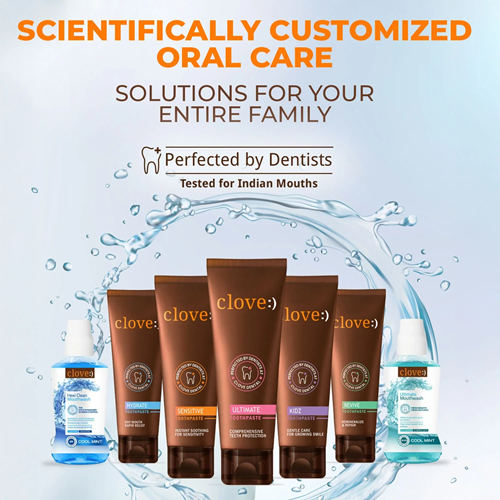
Using Clove Sensitive Toothpaste helps support gentle enamel care and daily sensitivity protection.
Morning Sensitivity Can Be a Warning Sign
Some people wake up with tooth pain or sensitivity in the morning.
This may happen because of:
- Night grinding
- Weak enamel
- Poor nighttime oral care
- Plaque buildup
Understanding morning tooth sensitivity causes and prevention tips helps improve long-term oral health.
Can Sensitive Toothpaste Really Help?
Sensitive toothpaste is designed to:
- Reduce discomfort
- Protect enamel
- Support safer brushing
- Improve daily comfort
Many people ask whether sensitivity toothpaste truly works.
The answer depends on:
- Consistent usage
- Proper brushing habits
- Reducing enamel-damaging habits
Understanding how sensitive toothpaste helps protect weak enamel can improve oral care decisions.
Daily Habits to Reduce Sensitivity
Small changes can make a big difference.
Helpful habits include:
✔ Drinking more water
✔ Reducing sugary drinks
✔ Avoiding excessive acidic foods
✔ Brushing gently
✔ Maintaining nighttime oral care
Healthy routines help reduce future enamel damage.
When Should You Visit a Dentist?
Sensitivity should not be ignored if it:
- Happens frequently
- Causes severe pain
- Affects eating habits
- Appears with visible cavities
Professional evaluation helps identify underlying problems early.
Final Thoughts
Pain while eating ice cream or drinking cold water is often a sign of tooth sensitivity caused by weak enamel or poor oral care habits.
By improving daily oral hygiene, reducing acidic foods, and using gentle sensitivity toothpaste, people can better protect their teeth and improve daily comfort.
Healthy enamel is essential for long-term oral health and stronger teeth.