

Have you ever taken a sip of hot tea or bit into a scoop of ice cream, only to feel a sudden, sharp zapping pain in your teeth? Or maybe you’ve looked closely in the mirror and noticed your front teeth are starting to look slightly translucent at the edges?
These aren't just minor cosmetic quirks—they are early warning signs that your tooth enamel is wearing down.
Enamel is the hard outer shell that shields your teeth from decay, temperature extremes, and everyday wear. Because enamel loss happens gradually, many people don't realize it's happening until it leads to severe sensitivity or costly cavities.
In our detailed guide on Can Tooth Enamel Be Repaired Naturally? Everything You Need to Know, we broke down how enamel demineralization works. Today, we’re looking at the 5 warning signs of damaged tooth enamel—and the exact steps you can take to fix it at home before permanent damage sets in.
5 Clear Signs Your Tooth Enamel Is Weakening
Catching enamel erosion early is the key to protecting your smile. Here are five red flags your teeth might be waving:
1. Increased Tooth Sensitivity (Hot & Cold Drinks)
If hot coffee, icy water, or sweet treats cause a quick jolt of discomfort, your enamel layer is likely thinning. As enamel wears away, it exposes the underlying layer called dentin, which contains microscopic tubes leading straight to the tooth's nerves.
2. Yellowish Discoloration
While surface stains come from coffee or food, deep yellowing often means your enamel is thinning. The dentin layer beneath your enamel is naturally yellowish. When enamel loses its thickness and opacity, that underlying yellow tint shines right through.
3. Translucent or See-Through Edges
Take a close look at the bottom edges of your front teeth. Do they appear clear, shiny, or glass-like? Translucency is one of the classic early signs of acid erosion stripping minerals from the enamel structure.
4. Indentations or "Cupping" on Tooth Surfaces
If you notice tiny dips, hollows, or indentations on the biting surfaces of your molars, this is known as cupping. It occurs when acid dissolves the enamel, leaving small hollow pits behind.
5. Rough, Chipped, or Jagged Edges
As enamel weakens, teeth lose their structural integrity. You might notice the edges of your teeth feeling rough to your tongue, or small micro-chips appearing along the borders when you bite into hard foods.
🛡️ Notice Any of These Signs? Take Action Today
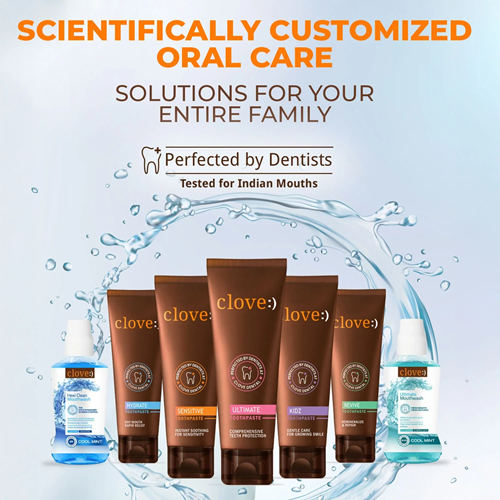
Enamel erosion won't fix itself, but you can stop it in its tracks! Clove Revive Toothpaste is engineered to repair early enamel damage, seal exposed nerves, and restore essential minerals to your teeth.
What Happens If You Ignore Enamel Erosion?
Ignoring early enamel damage allows acid attacks to reach deeper into your teeth. Over time, untreated enamel wear can lead to:
-
Severe, Chronic Tooth Pain: Caused by fully exposed dentin and irritated nerves.
-
Frequent Cavities & Decay: Without protective enamel, bacteria easily penetrate the softer inner tooth.
-
Extremely Expensive Dental Work: Deep erosion often requires dental bonding, crowns, or root canals to restore basic function.
How to Stop Enamel Erosion and Fix It at Home
While severely destroyed enamel requires a dental visit, early-stage erosion can be halted and fortified naturally with a few daily tweaks:
- Use a Soft-Bristled Toothbrush: Hard bristles act like sandpaper on weakened teeth. Switch to a soft-bristle brush and use gentle, circular motions.
- Avoid Brushing Immediately After Eating: Wait 30 minutes after eating acidic foods or drinking citrus juices. Brushing immediately rubs acid deeper into softened enamel.
- Upgrade to an Active Remineralizing Toothpaste: Standard cavity-protection toothpastes clean away food, but they don't actively restore missing minerals. Using a dedicated remineralizing toothpaste deposits calcium, phosphate, and protective minerals directly back into microscopic enamel cracks.
Frequently Asked Questions (FAQs)
Q1: Can yellow teeth caused by enamel loss be whitened?
Bleaching weak enamel can actually worsen tooth sensitivity! Instead of harsh chemical whitening, focus on using an enamel restoration toothpaste like Clove Revive. It hardens the enamel layer, protects against further yellowing, and restores natural brightness safely.
Q2: How long does it take for remineralizing toothpaste to work?
Most users notice a reduction in tooth sensitivity within 1 to 2 weeks of daily brushing. Full mineral restoration and structural strengthening build over 30 to 60 days of consistent morning and night use.
Final Thoughts
Your tooth enamel works hard to protect your smile every single day. If you’ve noticed sensitivity, yellowing, or translucent edges, don't panic—early-stage enamel erosion is completely manageable.
By curbing acidic foods, adopting gentle brushing habits, and incorporating a mineral-rich daily formula like Clove Revive Remineralizing Toothpaste, you can rebuild your teeth’s natural defenses and keep your smile pain-free.