

Maintaining a healthy, confident smile requires much more than just surface-level brushing; it relies heavily on the delicate chemical balance inside your oral cavity. Saliva plays a vital role in protecting both the soft and hard tissues in your mouth while continuously regulating your oral pH levels. According to the American Dental Association (ADA), adequate saliva flow acts as a natural defense system that shields teeth against decay, enamel erosion, and bacterial infections.
However, daily dietary choices, stress, and lifestyle habits can easily disturb this natural balance. Understanding what oral pH is, why it matters, and how to effectively manage it is the key to achieving long-term preventive dental health.
What Is Oral pH and What Is a Healthy Level?
The term pH refers to "potential of Hydrogen," which measures the ratio of chemical acidity versus alkalinity in a liquid environment. The standard pH scale ranges from 0 to 14:
-
0 to 6.9: Acidic environment
-
7.0: Neutral environment
-
7.1 to 14: Alkaline (basic) environment
In a healthy human mouth, a well-balanced salivary pH protects the oral microbiome—the complex ecosystem of beneficial microbes residing on your gums, tongue, and teeth. Clinical research titled "Salivary pH: A diagnostic biomarker" establishes that normal salivary pH typically ranges between 6.2 and 7.6, with healthy adults averaging around 6.7. Furthermore, in completely disease-free mouths, studies frequently observe salivary pH resting comfortably between 6.8 and 7.4.
When what you eat or drink lowers the pH of your mouth, acidity rises. If your salivary pH drops below the critical threshold of 5.5, your oral environment enters the "danger zone". At this level—known among dental professionals as the critical pH—tooth enamel begins to demineralize and dissolve, leaving teeth vulnerable to sensitivity, structural wear, and cavities.
Why Is Maintaining Oral pH Balance Essential?
A systematic review on dental erosion highlights that saliva acts as the primary barrier against acid-induced tooth wear by neutralizing harmful acids and redepositing critical minerals into the enamel lattice. The importance of maintaining a balanced pH revolves around three core physiological processes:
1. The Battle of Demineralization vs. Remineralization
Your tooth enamel is constantly engaged in a dynamic, continuous push-and-pull battle: demineralization (mineral dissolution) versus remineralization (mineral restoration).
When you consume carbohydrates or acidic beverages, acidogenic bacteria inside oral plaque (such as Streptococcus mutans) breakdown those sugars and release organic acids. These acids pull essential calcium and phosphate ions straight out of your enamel crystals. Conversely, when your mouth stays above the 5.5 critical pH mark, saliva's natural mineral reservoir works to redeposit those lost minerals back into microscopic enamel cracks, helping early surface damage repair naturally.
2. The Buffering Capacity of Saliva
Saliva is not just water; it is a biologically active fluid packed with protective ions, including bicarbonate, phosphate, and special proteins. When acidic substances enter the mouth, these buffering agents immediately go to work, neutralizing acidic compounds and bringing the oral pH back toward a safe, neutral baseline.
3. Protection Against Enamel Erosion and Dry Mouth
A clinical study titled "Saliva and dental erosion" revealed that a combination of low salivary flow (xerostomia) and frequent acid exposure dramatically amplifies the risk of severe tooth erosion. Without enough saliva to dilute acids and deliver protective calcium, enamel erodes at an accelerated rate.
Major Causes of Oral pH Imbalance
Understanding what disturbs your mouth's internal chemistry allows you to make smarter lifestyle choices. The most common contributors to high acidity include:
-
Acidic Foods and Drinks: Carbonated soft drinks, energy beverages, citrus juices, alcohol, and fermented items quickly drop salivary pH below safe thresholds.
-
Bacterial Fermentation: Microbes like Streptococcus mutans feed on dietary sugars and starches, converting them into persistent organic acids that cling to tooth surfaces.
-
Reduced Salivary Flow (Dry Mouth): Medications, aging, dehydration, or medical conditions can slow down saliva production, eliminating the body's natural acid-neutralizing buffer.
-
Plaque Accumulation: Inadequate daily oral hygiene allows bacterial plaque biofilms to flourish, creating localized acidic pockets that corrode tooth enamel over time.
Telltale Signs Your Oral pH Is Too Low
How do you know if your mouth is suffering from chronic acidity? Watch out for these warning signs:
-
Increased Tooth Sensitivity: Pain or discomfort when consuming hot, cold, sweet, or sour foods.
-
Enamel Discoloration & Yellowing: As translucent enamel wears thin, the underlying yellowish dentin layer shows through.
-
Frequent Cavities: Recurrent decay despite regular brushing indicates an acidic environment where cavity-causing bacteria thrive.
-
Persistent Dry Mouth: A dry, sticky sensation in the oral cavity due to low saliva flow.
-
Chronic Bad Breath (Halitosis): Acid-loving bacteria produce volatile sulfur compounds that lead to unpleasant odors.
-
Loss of Tooth Gloss: Teeth lose their shiny, smooth polish and appear dull or chalky.
Actionable Steps to Restore & Maintain a Healthy Oral pH
Fortunately, restoring your mouth's natural chemistry is entirely manageable with consistent daily habits:
1. Make Smart Dietary Adjustments
Limit frequent snacking and reduce intake of high-acid beverages like soda, sports drinks, and fruit juices. Eliminate smoking and vaping, which exacerbate dry mouth conditions. Instead, incorporate calcium- and phosphate-rich foods—such as cheese, plain yogurt, milk, and nuts—into your diet to support natural enamel remineralization.
2. Practice Strategic Hydration
Drink plenty of plain, pH-neutral water (pH around 7.0) throughout the day. Swishing with pure water immediately after consuming acidic foods helps wash away lingering food particles, dilutes active acids, and accelerates pH recovery back toward a safe range (6.8–7.2).
3. Upgrade Your Daily Routine with Clove Hydrate
Choosing the right oral care products is crucial for maintaining an optimal pH, especially if you experience dry mouth.
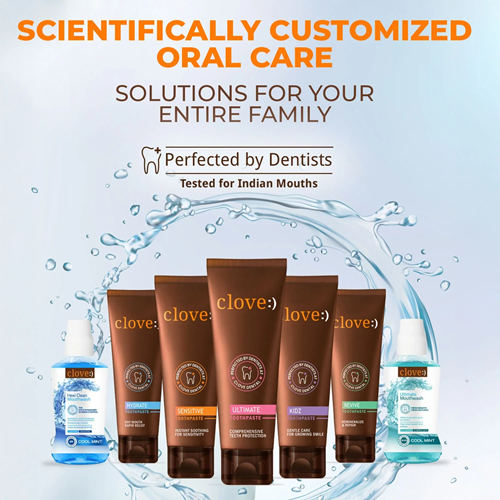
Brushing twice daily with Clove Hydrate Toothpaste for dry mouth is specifically designed to target oral pH imbalance and xerostomia. Dentist-perfected for dry mouth conditions, Clove Hydrate utilizes patented Optaflow® technology that is clinically proven to increase natural salivation by 140% to 150% from baseline.
By stimulating healthy saliva flow, its bioactive formula restores the mouth's natural buffering capacity, nurtures the oral microbiome, and fights harmful bacteria while keeping your entire mouth deeply moisturized and fresh throughout the day.
Pro Tip: Never brush your teeth immediately after consuming acidic foods or drinks. Acid temporarily softens the microscopic grid of your enamel; brushing right away can cause mechanical wear. Instead, rinse with plain water and wait 30 minutes before brushing.
Long-Term Benefits of a Balanced Oral pH
When you keep your salivary pH steadily stabilized near the ideal 6.7 to 7.0 range, you unlock several key long-term health benefits:
-
Resilient Enamel: You significantly minimize the risk of acid erosion, keeping enamel strong and glossy.
-
Natural Mineral Repair: You foster an environment where calcium and phosphate easily redeposit into weakened enamel surfaces.
-
Bacterial Control: Acid-loving, cavity-causing microbes are suppressed, dramatically reducing dental decay.
-
Fresh Breath & Comfort: Natural hydration prevents dry mouth discomfort and eliminates chronic odor-causing bacteria.
Final Thoughts
A healthy mouth starts with a balanced environment. By combining acid-conscious eating habits, proper hydration, and advanced oral care like Clove Hydrate Toothpaste, you empower your saliva to do its job—protecting your teeth, nurturing your microbiome, and maintaining a healthy pH level for a lifetime of confident smiles.