

Have you noticed your teeth feeling unusually sensitive to hot coffee or icy cold water? Or perhaps you’ve spotted a slight yellowish tint or translucent edges on your front teeth?
If so, your tooth enamel might be wearing down.
As the outermost protective layer of your teeth, enamel takes a beating every single day from acidic foods, sugary snacks, and daily wear and tear. A very common question people ask when noticing these symptoms is: Can damaged tooth enamel be repaired naturally, or is it gone forever?
In this guide, we’ll explore the science behind enamel erosion, clear up common misconceptions about enamel "regrowth," and explain how you can naturally remineralize and protect your smile at home.
What is Tooth Enamel and Why Does It Wear Down?
Tooth enamel is the thin, hard outer shell covering the crown of your tooth. In fact, enamel is the hardest substance in the human body—even harder than bone!
Despite its strength, enamel faces constant chemical and physical erosion. Every time you eat or drink, bacteria in your mouth feed on sugars and carbs, producing acids that strip essential minerals like calcium and phosphate from your teeth.
Common Causes of Enamel Erosion:
-
Acidic Diets: Frequent consumption of soft drinks, citrus fruits, coffee, and wine.
-
Sugary Foods: Candy, pastries, and processed snacks that fuel acid-producing mouth bacteria.
-
Aggressive Brushing: Using hard-bristled toothbrushes or scrubbing too vigorously.
-
Acid Reflux (GERD): Stomach acid entering the mouth regularly.
-
Dry Mouth (Xerostomia): A lack of saliva, which naturally neutralizes acid and restores minerals.
⚠️ Noticing tooth sensitivity, translucent edges, or yellowing?
Check out our detailed guide on the 5 Warning Signs of Damaged Tooth Enamel (And How to Fix It) to catch early enamel wear before it leads to cavities.
Can Damaged Enamel Regrow? (The Myth vs. Reality)
To understand enamel repair, we need to separate fact from myth:
The Truth: Tooth enamel CANNOT regrow organically because it contains no living cells.
Unlike a broken bone or a cut on your skin, enamel lacks living tissue. Once an entire section of enamel wears away completely (forming a deep cavity or chip), your body cannot regenerate it. A dentist will need to repair it using fillings, veneers, or crowns.
The Good News: Early-Stage Enamel Repair IS Possible
While enamel cannot regrow, it CAN be remineralized.
In the early stages of erosion—before a physical cavity forms—your enamel is simply missing minerals. By depositing essential minerals back into the microscopic pores of your teeth, you can rebuild, harden, and strengthen the weakened enamel matrix naturally.
How Remineralization Works in Your Mouth
Your mouth is in a continuous tug-of-war between two biological processes:
-
Demineralization (Mineral Loss): Acid attacks strip calcium and phosphate out of your enamel.
-
Remineralization (Mineral Gain): Minerals are absorbed back into the enamel structure, hardening it against future decay.
When remineralization keeps pace with demineralization, your teeth remain strong and healthy. Problems arise when acid exposure happens faster than your body can restore those lost minerals.
4 Natural Ways to Remineralize Your Teeth Daily
Restoring balance to your oral health doesn’t require complex medical procedures. Here are four practical, science-backed ways to rebuild enamel strength every day:
1. Reduce Sugary and Acidic Foods
Limit carbonated drinks, fruit juices, and sugary snacks. When you do enjoy an acidic treat, rinse your mouth with water immediately afterward, and wait at least 30 minutes before brushing (brushing immediately after acid exposure can rub away softened enamel).
2. Boost Your Saliva Production
Saliva is nature’s ultimate tooth defense. It contains natural calcium, phosphate, and bicarbonate to neutralize harmful acids. Stay hydrated throughout the day, and consider chewing sugar-free gum containing xylitol to stimulate saliva flow.
3. Eat a Mineral-Rich Diet
Support your teeth from the inside out. Incorporate foods high in calcium (cheese, leafy greens, almonds), Vitamin D (fatty fish, egg yolks), and phosphorus (meat, poultry, seeds) to supply your body with essential building blocks.
4. Switch to a Dedicated Remineralizing Toothpaste
Regular toothpaste cleans away surface debris, but it often lacks the specialized active minerals required to deeply restore depleted enamel. Switching to an active remineralizing paste delivers calcium, phosphate, and protective compounds directly to the enamel surface during your daily brushing routine.
💡 Rebuild Your Enamel Daily with Clove Revive
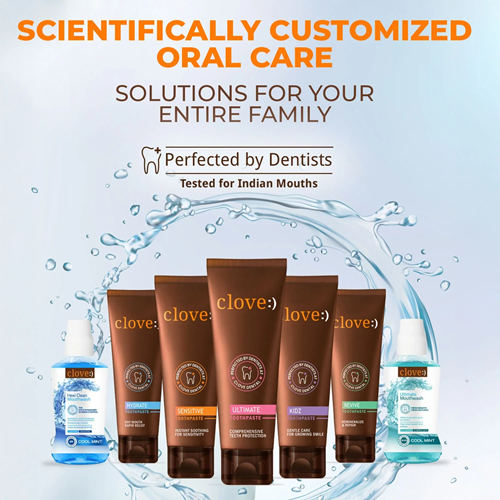
Looking for an effortless way to strengthen weak enamel and prevent tooth sensitivity? Clove Revive Toothpaste is specifically formulated with natural mineral restoratives and clove extracts to fill microscopic enamel cracks, block sensitivity, and shield your smile every single day.
Why Regular Toothpaste Isn’t Enough for Weak Enamel
Standard commercial toothpastes are great for general cleaning, plaque removal, and freshening your breath. However, if you suffer from weak enamel, translucent tooth tips, or hot-and-cold sensitivity, basic cleaning formulas fall short.
An enamel repair toothpaste goes beyond basic hygiene by:
-
Redepositing mineral ions into vulnerable microscopic fissures.
-
Creating a protective barrier that seals exposed dentin tubules (stopping sensitivity pain).
-
Increasing your teeth's resistance to daily acid attacks.
The Bottom Line
While lost enamel can never organically regrow, you can prevent permanent damage by catching enamel erosion early. By adopting a tooth-friendly diet, staying hydrated, and using a high-quality remineralizing toothpaste like Clove Revive, you can rebuild weakened enamel, eliminate sensitivity, and enjoy a strong, healthy smile for years to come.